
Dock Repair and Boat Lifts Before Selling a Lake Murray Home
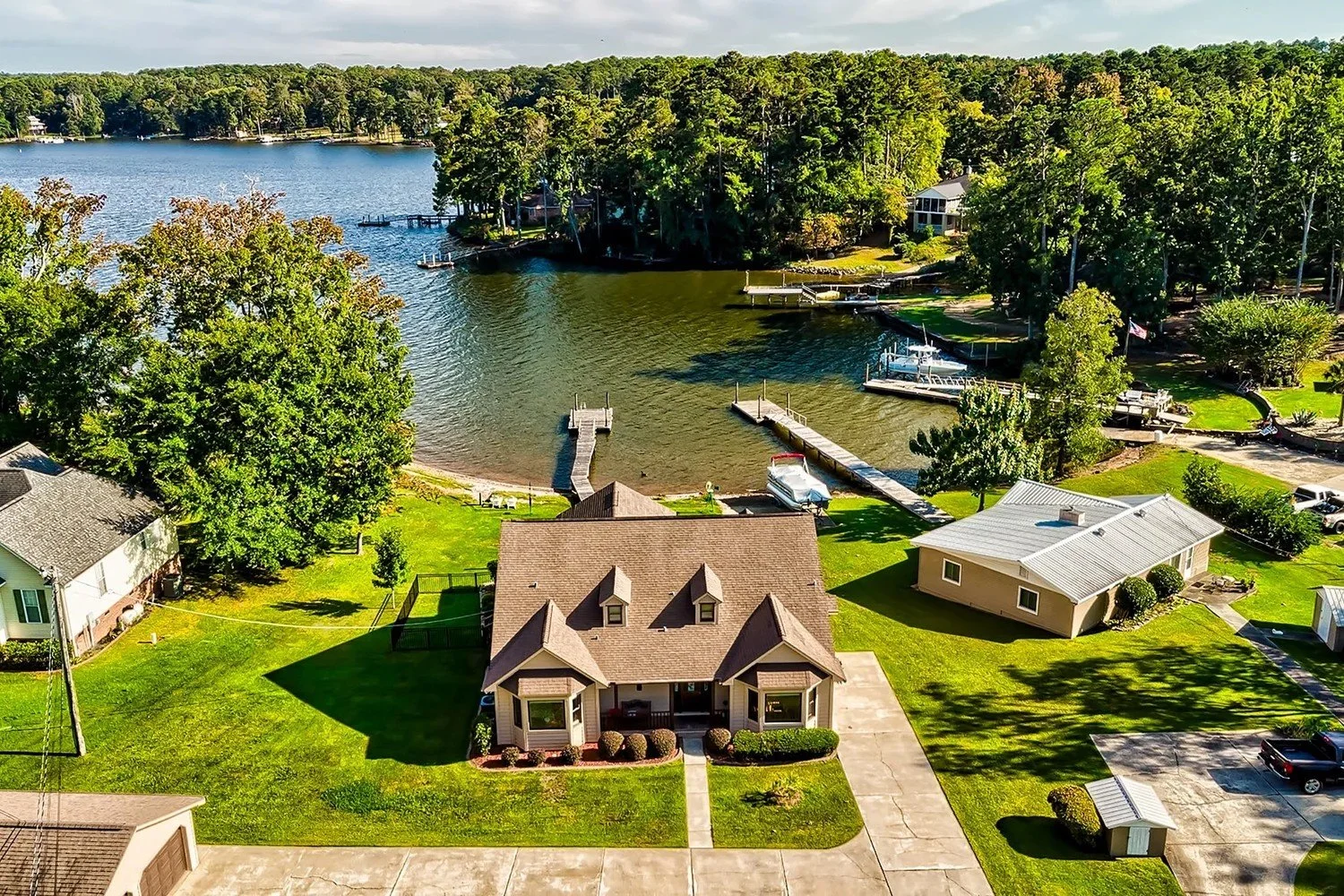
When it comes to dock repair and boat lifts before selling a Lake Murray home, there are five priorities every seller needs to work through before the first showing: inspect the dock structure, run the boat lift through a full cycle, verify the Dominion Energy permit is current and transferable, budget for any flagged repairs, and schedule that work inside the seasonal windows Lake Management allows. These aren't cosmetic extras. They are the variables that determine whether a buyer's offer reflects your dock's real value or discounts it because of unknowns, missing permit documentation or an ungrounded lift, for example, often produces repair-credit requests or larger buyer discounts.
This checklist covers what you need to know.
Key takeaways for Lake Murray waterfront sellers
Inspect before you list: Hire a marine contractor and licensed electrician to assess the dock structure, lift components, and electrical systems before buyers and their inspectors do it for you.
Permit status is non-negotiable: An inactive, nontransferable, or mismatched Dominion Energy permit shrinks your buyer pool and can create appraisal and financing complications at the worst possible moment.
Electrical issues close deals or kill them: Missing GFCI protection and ungrounded dock metalwork are safety items, not negotiation items. Fix them before listing.
Budget realistically: Dock repairs range from a few hundred dollars to $15,000 or more; lift replacement typically runs $5,000 to $20,000 installed, according to Angi.
Seasonal windows control your timeline: Excavation on Lake Murray is generally permitted only October 1 through January 31. Plan your repair schedule around your target list date.
Documentation converts showings into offers: Buyers who receive a complete permit file, lift specs, and repair invoices have fewer open questions and move faster to contract.
Dock Repair and Boat Lifts: Pre-Listing Checklist for Lake Murray
A standard home inspection may not fully assess a dock. Sellers benefit from hiring a qualified marine contractor before listing to examine three categories: structural condition, electrical compliance, and documentation. Getting ahead of what buyers and their inspectors will scrutinize protects your negotiating position from the first showing forward.
Structural red flags buyers and inspectors catch first
The most commonly flagged structural issues are leaning or rotted pilings, sagging joists, deteriorated flotation, loose or corroded hardware, warped decking, and soft spots underfoot. These problems are visible from the first step onto your dock, and buyers notice them immediately. For boat lifts, inspectors focus on frames with cracks or bent components, frayed or kinked cables, and bunk alignment that could shift or damage a boat during haul-out. Any of these findings give a buyer grounds to renegotiate, and they will.
Electrical issues that can stall a closing
Dock electrical work is where deals most often stall. Missing GFCI protection for receptacles and boat lift circuits, improper grounding and bonding of dock metalwork, non-marine-rated fixtures, and weatherproof enclosures that have failed over time are all issues lenders and appraisers treat as more than a negotiation item. Under applicable NEC provisions for dock installations, a boat lift receptacle at not more than 240 volts must have personnel GFCI protection, and that requirement applies even at private residential docks. We recommend a licensed electrician familiar with these requirements inspect before listing, because energized dock components create a shock-hazard liability that most buyers won't accept and many lenders won't finance around.
What documentation to pull together before showings start
Buyers commonly request the Dominion Energy permit and permit number, any county approvals, lift manufacturer specs including model, serial number, and rated capacity, repair invoices, prior inspection or engineering reports, and storm-damage history. Sellers who have this file ready convert showings into offers faster because buyers and their agents have fewer open questions to slow the process. Assembling this documentation costs nothing, and it signals a well-maintained property before the buyer ever sets foot on the dock.
How dock and boat lift condition affects your sale price
When the dock is documented and clean, well-priced Lake Murray waterfront homes tend to close near asking price and within a reasonable timeframe. A neglected dock pushes a property into a "waterfront with future dock costs" conversation, which produces a larger buyer discount and extends time on market.
Permit problems hurt more than physical wear. An inactive, nontransferable, or mismatched Dominion Energy permit shrinks the buyer pool immediately. Buyers using financing can run into appraisal and lender complications if the dock does not match approved plans or lacks a current permit number. An older dock in decent shape with clean permit records will outperform a newer-looking dock with permit gaps every time.
Appraisers use waterfront-specific comparables matched on shoreline location, water depth, frontage, dock type, permit status, and lift condition rather than just square footage. Comparable sales data from Lake Murray closings suggests permitted dock access can contribute meaningfully to value over comparable homes without it, with differences reaching substantially higher when deep-water dock access is compared against shallow-cove or no-dock alternatives. Sellers should request comps that isolate these variables rather than relying on broad neighborhood averages.
What Lake Murray sellers need to know about Dominion Energy dock permits
Dominion Energy's Lake Management Department is the approving authority for all private residential shoreline work on Lake Murray under the FERC-approved Shoreline Management Plan. County building, electrical, or floodplain permits may also apply depending on your location, and the U.S. Army Corps of Engineers general permit provides federal authorization for qualifying projects. No repairs, replacements, or additions should begin without Dominion's written approval in hand.
Before listing, confirm your dock meets current standards: maximum 75 feet in length, 750 square feet of area, at least 15 feet from adjoining property lines, one boat lift per individual dock, and no exposed foam or metal-drum flotation. Fixed dock construction must generally fall between the 360- and 362-foot elevation contours. Any additions, replacements, or enlargements done without prior Dominion approval become a problem during buyer due diligence.
The Dominion application fee for a dock modification or boat lift installation is $100; a new dock application runs $250, according to Lake Murray dock permit guidance effective September 2025. Plan for an estimated four to six weeks after a complete application for Dominion review. If your dock was expanded or a lift was added without prior approval, start the permit process before listing rather than disclosing an open issue to every buyer who walks the dock. Permits generally transfer with the property at closing, but sellers should verify the required transfer steps with Dominion Energy Lake Management and the closing attorney, as procedures can vary. Buyers assume all permit obligations after closing, which is exactly why they scrutinize the permit file during due diligence.
What dock and boat lift repairs actually cost before you list
Budgeting accurately keeps your decision-making clear. According to Angi, minor dock repairs, including replacing decking boards, tightening hardware, and resealing connections, generally run $200 to $1,500.
The repair-or-replace decision on a lift should factor in age, cable condition, motor performance, and whether the lift capacity matches what today's buyers are likely to bring to the dock. Partial repairs on a lift near end of life often cost more in negotiations than a clean replacement, especially when buyers are comparing your listing against other waterfront options on the lake. Prioritize in this order: electrical safety first, then structural repairs that affect buyer confidence, then lift functionality, then cosmetics. Cosmetic refinishing on a structurally sound deck returns well relative to cost and shows well in listing photography.
Does the season affect when you can schedule dock work?
Yes, and the timing matters more than most sellers expect. Excavation on Lake Murray is generally permitted only between October 1 and January 31. Shoreline stabilization work, including riprap and retaining walls, typically runs September through February, with exceptions for emergency repairs. Ordinary above-water repairs such as decking, hardware, and lift components are not restricted to these windows, but any project involving piling replacement, dredging, or shoreline disturbance must fall within the allowed period and be permitted in advance.
If you plan to list in the spring market, Lake Murray's strongest selling season, work backward from your target list date. Structural or piling work that falls within a seasonal window needs Dominion approval before you mobilize a contractor. Allow four to six weeks minimum for permitting, contractor scheduling, and final inspection. Sellers who miss the excavation window may need to adjust their list date or disclose a repair that is scheduled but not yet complete, a weaker position than presenting a finished, documented dock.
Your Lake Murray waterfront pre-listing game plan
Before going active on the market, work through this sequence. Hire a marine contractor and licensed electrician to inspect the dock and lift. Pull your Dominion Energy permit record and confirm it matches the current structure. Resolve any permit gaps before listing, then schedule needed repairs within the appropriate seasonal window. Document everything with photographs and invoices, and prepare a documentation file buyers can review during due diligence. A clean, well-documented dock doesn't just attract more offers. It protects your negotiated price through appraisal and inspection.
Contact at least three local Lake Murray dock contractors to get competitive bids and confirm availability before your target start date. For small repairs and lift service, plan for a few days to several weeks depending on crew availability and parts. For moderate dock repairs or piling work, plan for several weeks to a few months, and confirm that the contractor will manage the Dominion permit submission as part of the scope.
The Patrick O'Connor Team at Coldwell Banker Realty has extensive experience selling Lake Murray waterfront properties and understands the waterfront-specific details that shape every transaction. When you're ready to address dock repair and boat lifts before selling your Lake Murray home, our team can help you prioritize repairs, navigate the Dominion permit process, and present your dock as an asset rather than an uncertainty. Reach out to schedule a pre-listing waterfront consultation before your first showing.
Frequently Asked Questions
How long does Dominion Energy typically take to review a complete dock or lift application?
Dominion Energy typically reviews a complete application in about four to six weeks. We advise allowing that minimum review time when scheduling repairs and contractor work so permitting doesn't delay your listing timeline.
Do Dominion Energy permits transfer when the property sells and who should confirm the transfer steps?
Permits generally transfer with the property at closing, but sellers should verify the required transfer steps. We recommend confirming the exact procedure with Dominion Energy Lake Management and your closing attorney to avoid surprises during due diligence.
How many contractors should we contact and how should we plan timing for repairs?
Contact at least three local Lake Murray dock contractors to get competitive bids and confirm availability before your target start date. We recommend planning for a few days to several weeks for small repairs, several weeks to a few months for moderate or piling work, and factoring in the four- to six-week permitting timeline and any seasonal windows that apply.
Local example
We sold 920 Wildwood Circle on Lake Murray, set on a .53 acre lot with a private dock, grandfathered boat ramp, circular drive and oversized detached two-car garage. Other agents advised a list price under $800,000; we listed at $825,000, the campaign generated over 75,000 online and social media views, and we secured a full-price contract within 24 hours, with a backup offer two days later. It closed in December 2025 for $825,000.
Ready to buy or sell? Call The Patrick O'Connor Team at 803-243-0224.