


Whether to sell or keep a Lake Murray lake house comes down to how often you use it, what it really costs to keep, and what the equity could do for you elsewhere. This guide walks owners through the practical questions, from dock upkeep and taxes to timing around the drawdown.
Read More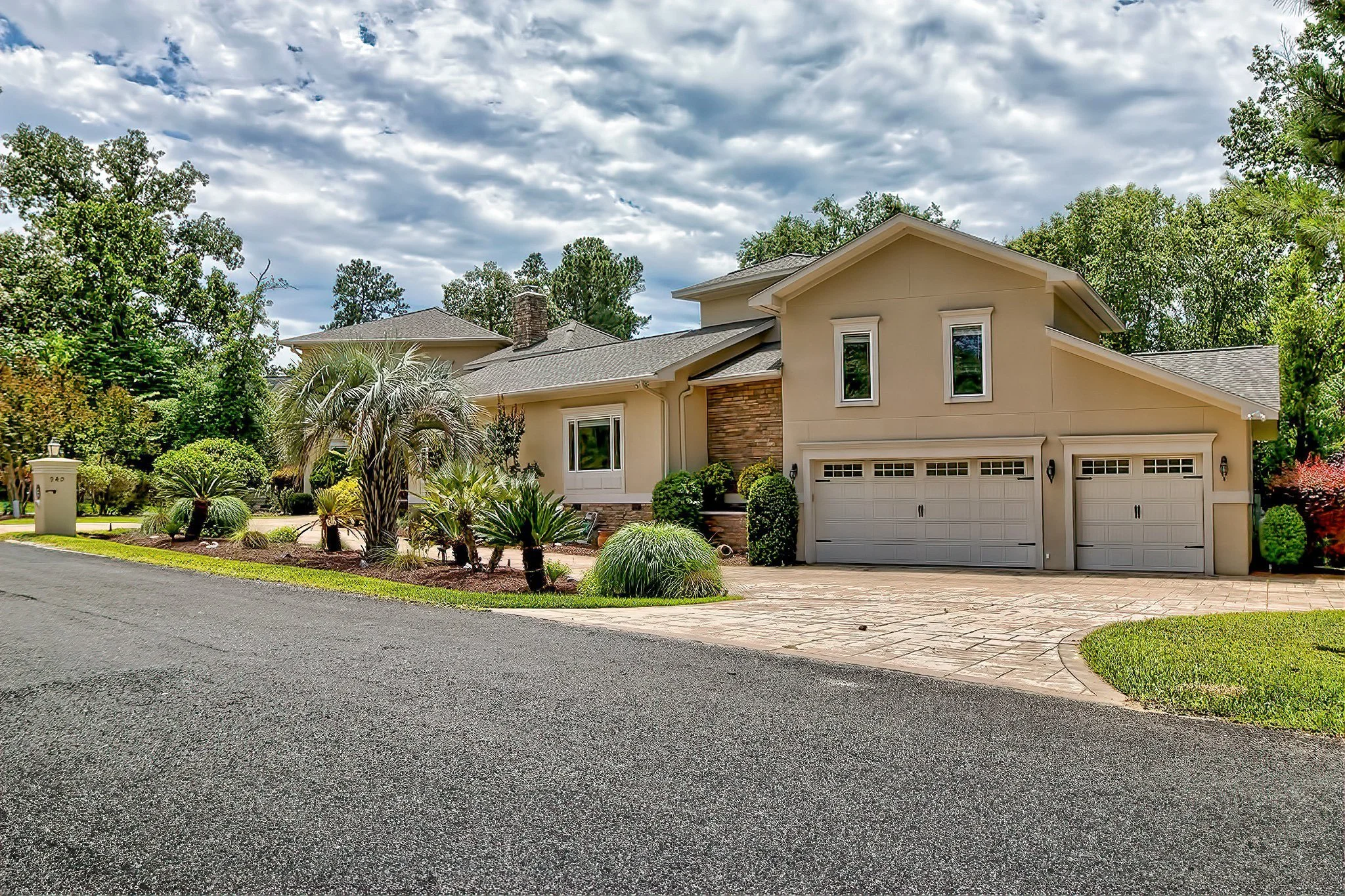
Above $1 million on Lake Murray, shoreline quality, dock documentation, out-of-area marketing and appraisal risk matter as much as finishes. Use cinematic video, YouTube and search reach beyond the MLS, and price from matched waterfront comps rather than generic square-footage rules.
Read More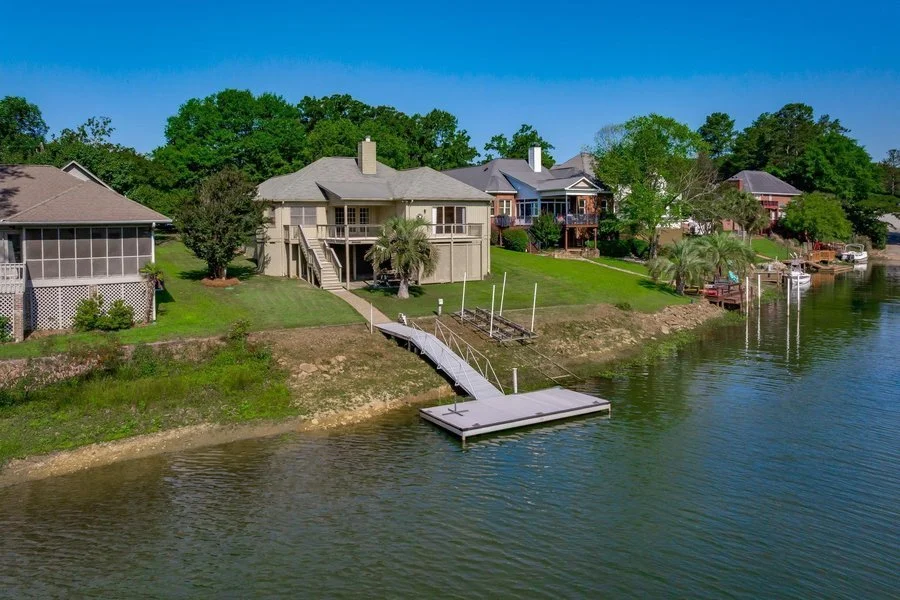
The Lake Murray Shoreline Management Plan, administered by Dominion Energy under a FERC license, governs docks, riprap and other shoreline work below the 360-foot contour. Sellers should pull Dominion permit records before listing, disclose shoreline conditions, and remember the 2026 drawdown exposes structures for repair but does not waive permit requirements.
Read More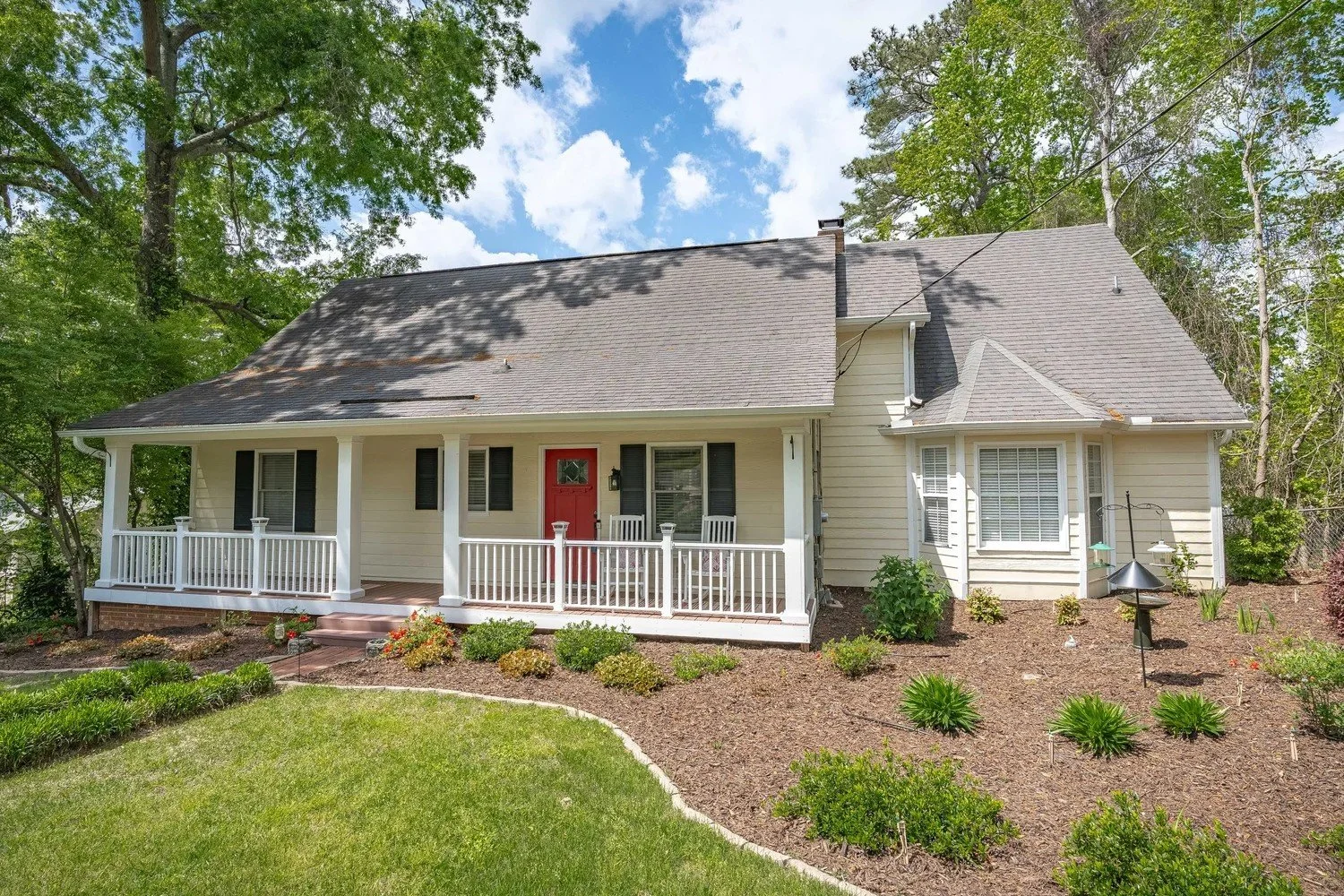
Rip rap and shoreline erosion are among the first things a Lake Murray waterfront buyer notices. Walk your shoreline for displaced stone, toe scour and exposed filter fabric before listing, get written Dominion Energy approval before any riprap repair, and document and disclose the work on South Carolina's Residential Property Condition Disclosure Statement.
Read More
Selling a Lake Murray waterfront lot comes down to a defensible price built on waterfront-specific comps, a clear picture of which Dominion Energy, state and county permits apply, and an honest decision on FSBO versus a specialist agent. Water depth, dock eligibility and shoreline condition matter more than price per acre.
Read More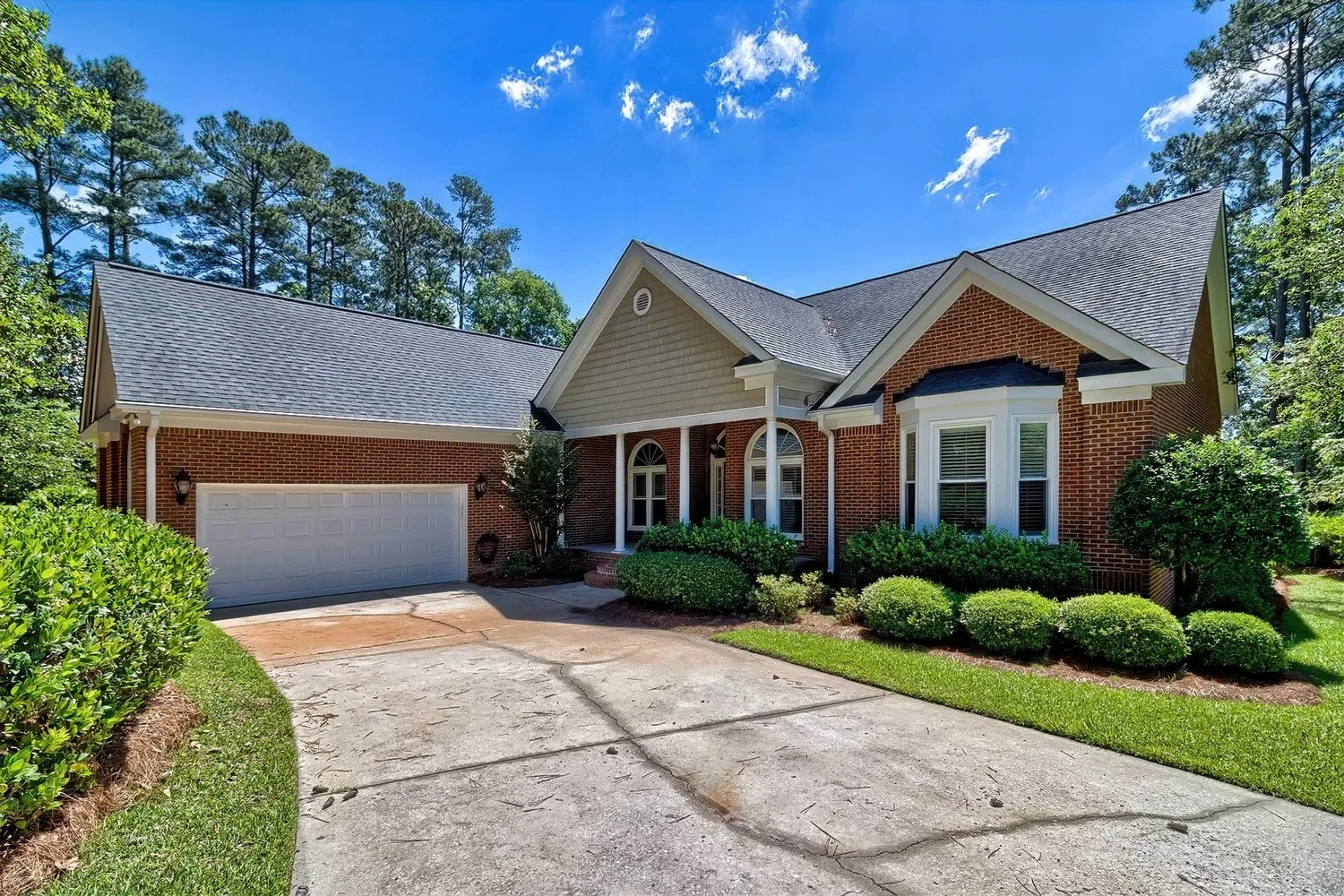
Lake Murray water depth is one of the biggest drivers of a waterfront sale price. The practical local benchmark for deep water is roughly 8 feet or more at the dock at normal summer pool, and seasonal levels between about 355 and 360 feet, plus periodic drawdowns to around 350 feet, can make marginal coves unusable. Documented depth and valid dock permits protect your price.
Read More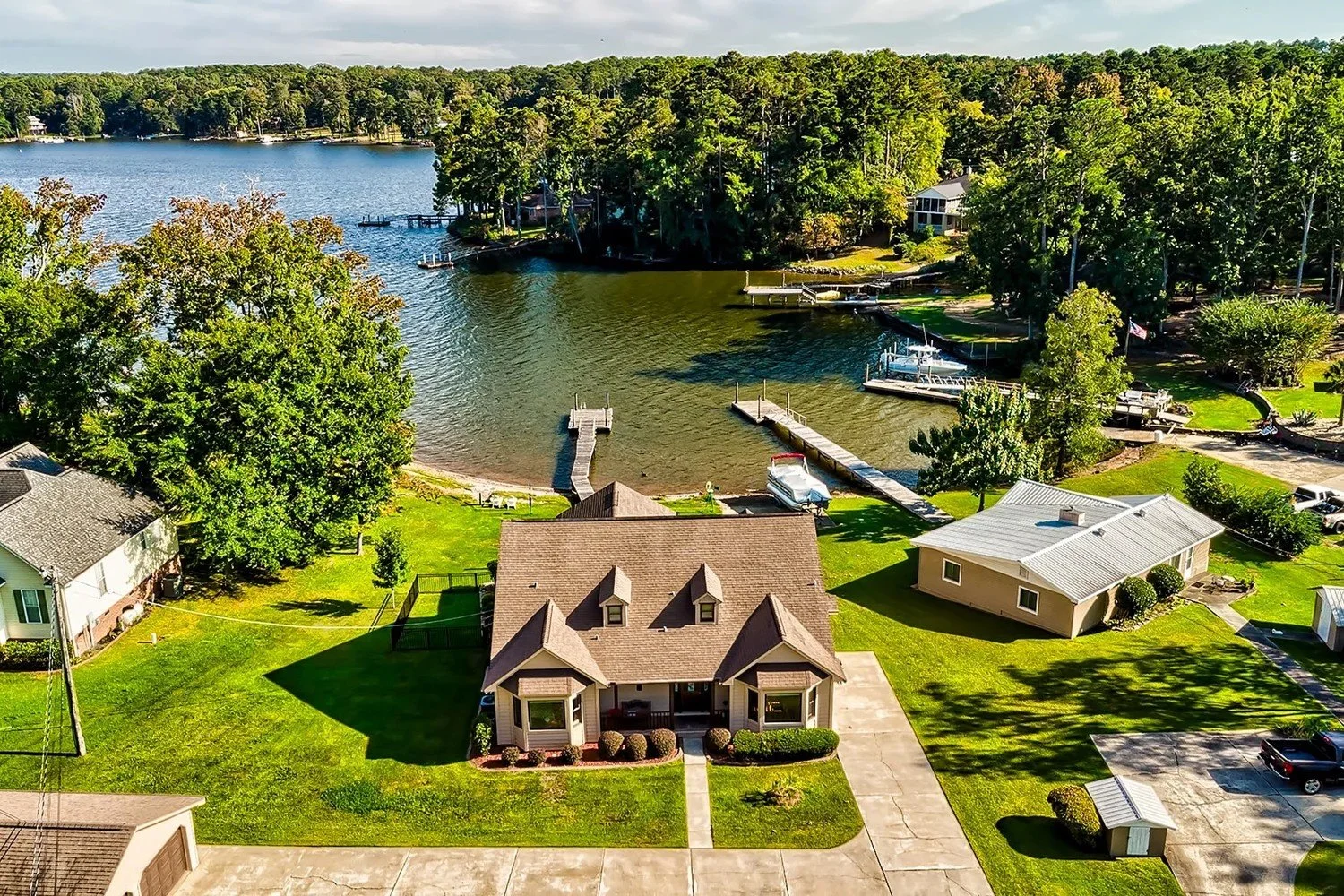
Before selling a Lake Murray home, inspect the dock structure, run the boat lift through a full cycle, verify the Dominion Energy permit is current and transferable, budget for flagged repairs, and schedule work inside the seasonal windows Lake Management allows. Missing permit documentation or an ungrounded lift often produces repair-credit requests or larger buyer discounts.
Read More
Selling a Lake Murray condo requires three things resolved before the listing goes live: a complete HOA resale package, verified dock or shoreline documentation, and a price anchored to building-level comparables rather than lake-wide averages. Lenders financing condo purchases require the full resale package, including reserves, budget, bylaws, and insurance. Boat slips don't automatically convey with the unit, so state whether a slip is deeded, leased separately, or transferred only with board approval.
Read More
Selling a Lake Murray home during the drawdown is absolutely achievable, and sellers who prepare strategically close at strong prices even when the shoreline is exposed. The 2026–27 drawdown began in September 2026, with the lake targeting approximately 350 feet above sea level by December 2026 and holding near that level through the end of January 2027. Deep-water homes with clean permits typically see little or no discount; shallow-cove properties need honest pricing discipline.
Read More
The Lake Murray 360 line is the elevation marker on Dominion Energy's plant datum (PD) that defines the lake's normal maximum pool level, and along most of the shoreline it also serves as the legal boundary between Dominion-owned lake land and privately owned upland property. A standard private dock requires at least 100 feet of lot width measured along the 360-foot contour. Sellers cannot accurately describe a property as having "private waterfront" if the shoreline belongs to Dominion or if water access relies on an easement.
Read More