
Is Irmo SC a Good Place to Live? Honest Pros & Cons
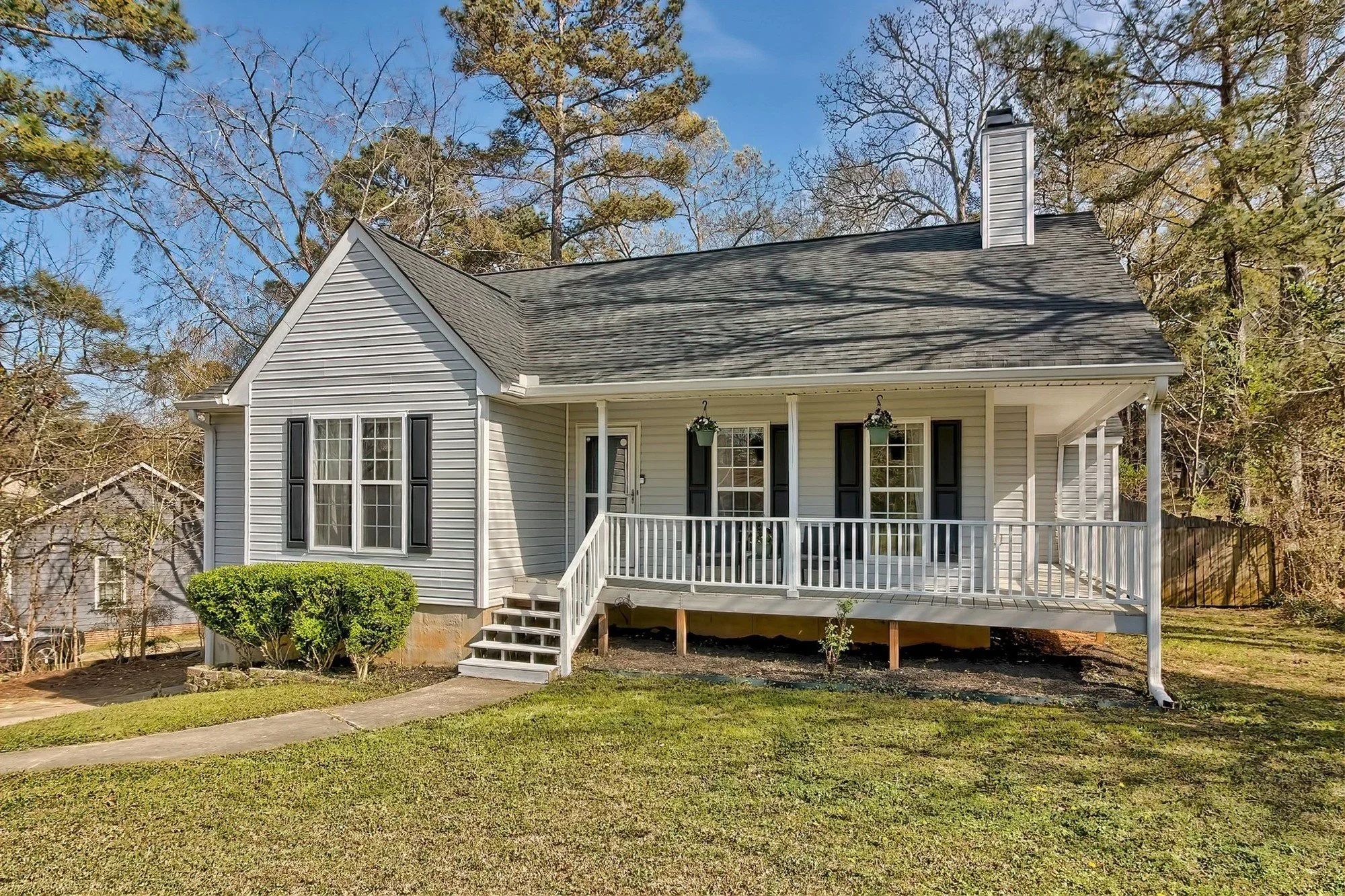
Is Irmo, SC a good place to live? For most families and commuters, the answer is yes, particularly those who put top-rated public schools, below-average housing costs, and suburban convenience near Lake Murray and Columbia at the top of their list. It is not perfect, and the trade-offs are specific enough that the wrong buyer will feel them every day. For the right household, though, those trade-offs are entirely predictable and manageable. The sections below walk through the numbers and local realities behind that verdict: school performance, home prices and rent, cost-of-living comparisons, commute times, safety data, and the honest drawbacks around traffic and walkability. This is the kind of detailed picture that helps families relocating to the Greater Columbia area move with confidence rather than guesswork. Where you land within Irmo shapes your daily experience around schools, commute time, and lake access more than any other single factor, so keep that geography in mind as you read.
Key takeaways
Exceptional public schools: Most of Irmo falls within Lexington-Richland School District Five, ranked No. 2 in South Carolina, with Spring Hill High posting a 95.9% graduation rate.
Below-average cost of living: Irmo's BestPlaces index of 87.4 puts it about 12.6% below the U.S. average, with housing as the biggest category advantage.
Lake Murray proximity: Parts of Irmo sit within 10 to 20 minutes of Lake Murray access points, offering a lake lifestyle without waterfront pricing.
Manageable commutes: The average commute from Irmo runs roughly 24 minutes, though southern Irmo and Harbison compress that significantly for Columbia-bound workers.
Car-dependent suburb: Walk Score data confirms Irmo is essentially car-dependent, with no meaningful public transit for daily commuting.
Safer than Columbia, comparable to Lexington on property crime: Irmo's violent crime rate sits 34% below the national average, though Lexington edges it out on that measure specifically.
Are Irmo's schools actually as good as people say?
Yes, and the district data backs that up. Most of Irmo falls within Lexington-Richland School District Five, which Niche ranks No. 2 among all 74 South Carolina school districts and No. 1 in the Columbia metro area. That is not marketing copy. It is a ranking that directly affects resale value, neighborhood demand, and the daily reality of raising kids here. For families making a school-driven relocation decision, that district assignment alone narrows the search considerably.
District-wide proficiency figures give a more complete picture than the headline grade. Across Lexington-Richland Five, elementary schools report approximately 62% reading proficiency and 56% math proficiency. Middle schools run about 58% reading and 40% math. High schools reach 84% reading and 49% math, according to U.S. News Education data. The district's college and career readiness rate is 81.5%, compared with a statewide average of 77.3%. Individual schools vary substantially around these averages, so the district grade is a starting point, not a finish line.
Spring Hill and Dutch Fork high schools: what the numbers show
Spring Hill High School is the strongest publicly reported high-school performer in the Irmo search area on current Niche data. Its graduation rate is 95.9%, its English II proficiency is 86%, its biology proficiency is 90.6%, and its dropout rate is 0.3%. Those are not just good numbers for South Carolina; they are strong by any national comparison. Dutch Fork High School is the other leading option, serving much of western and northern Irmo and consistently appearing among the top public schools for ZIP code 29063, according to Public School Review's 2026 rankings.
School zone boundaries within Irmo do not follow obvious geographic logic, and nearby subdivisions can feed into different high schools. Confirming which high school a specific address feeds into, by contacting the district directly, is a non-negotiable step before making an offer on any Irmo property. The district's online lookup tool is the most reliable way to verify assignment for any specific street address.
Top elementary feeder schools and the neighborhoods they serve
Ballentine Elementary, River Springs Elementary, and Dutch Fork Elementary are the standout elementary options identified for ZIP code 29063 by Public School Review's 2026 data. These schools serve families in the Ballentine corridor and northern and western Irmo neighborhoods. School assignment is address-specific, and boundaries can split nearby subdivisions, always run an official district lookup before you make an offer rather than assuming based on a neighborhood name or ZIP code alone.
Pros and cons of living in Irmo, SC: what does it really cost?
Irmo's BestPlaces cost-of-living index is 87.4, meaning everyday life runs about 12.6% below the U.S. average. For comparison, Columbia's index sits at approximately 90.1 and Lexington's at approximately 90.4, according to the same source. Irmo's modest but real cost edge over both neighbors matters most for families stretching a relocation budget or coming from a higher-cost metro where sticker shock is a genuine concern.
The biggest driver of that advantage is housing, not everyday expenses. According to BestPlaces cost-of-living data, groceries and other routine costs run closer to national averages, so the savings compound most clearly in what you pay each month for a roof over your head rather than what you spend at the grocery store. That distinction matters for budgeting a move accurately.
Home prices and rent in 2026
Redfin reports $272,000 for homes sold in the three months ending September 2026, up 4.8% year over year. Homes.com reports a $329,990 median over the prior 12 months, up 14% from the preceding period. Average rent sits at approximately $1,810 per month as of September 2026, according to Zillow, with a 1.6% year-over-year increase.
Home prices have risen roughly 13 to 15% over the past two to three years, based on data from Realtor.com. For families relocating from the Northeast, Mid-Atlantic, or California, the housing math remains favorable even at today's prices, Irmo's median sits well below what comparable suburban markets in those regions typically command.
How Irmo's housing costs compare to Lexington and Columbia
Irmo's property price levels are competitive with Lexington while its overall cost-of-living index runs slightly lower than both Lexington and Columbia. The gap is not dramatic; we are talking about a 3-point difference in the index between Irmo and either neighbor. School quality, commute, and neighborhood fit carry more weight than a 3% cost-of-living differential.
How close is Irmo to Lake Murray, and does it matter?
Lake Murray is one of the most underrated quality-of-life factors for Irmo residents, and it matters more than most relocation guides acknowledge. Access points near Lake Murray Boulevard put parts of the lake within 10 to 20 minutes of central Irmo. Communities along the northern edge of Irmo blur into Lake Murray residential areas entirely, making the boundary between "Irmo suburb" and "lake community" genuinely difficult to draw on a map, which translates to real lake access at non-lakefront prices for buyers in that corridor.
What the lake lifestyle actually looks like from Irmo
Living in Irmo gives families weekend access to boating, fishing, and shoreline communities without paying lakefront prices. That is a meaningful distinction. Full waterfront properties on Lake Murray, particularly along the Chapin shore, carry significantly higher price tags than what most Irmo neighborhoods command. The lake lifestyle from Irmo looks like a 15-minute drive to a boat ramp on a Saturday morning rather than a walk across your backyard to your dock, but for families who want that access without committing to waterfront property costs, Irmo delivers the balance.
Lake Murray communities worth exploring near Irmo
The Lake Murray of Richland and Ballentine corridor represents the closest lake-adjacent neighborhoods to Irmo proper. Buyers who want water access without full waterfront pricing often find these communities hit the right balance between proximity to the lake, quality school assignments, and housing costs that remain below the premium lakefront tier. Many relocating families discover this corridor only after they start seriously looking, and find that it offers more than they expected at that price point.
Is the commute from Irmo manageable?
Yes, for most destinations in the Columbia metro, with one important caveat: where in Irmo you live changes the answer meaningfully. Irmo's average commute runs roughly 24 minutes overall. Southern Irmo and the Harbison area compress that number significantly for Columbia-bound workers, while northern Irmo adds time to downtown-bound trips but shortens the drive toward the lake and Chapin.
Drive times to the major employment destinations
Here are realistic commute windows from central Irmo based on Google Maps route data.
Harbison / Columbiana area: Normal traffic: 5–15 minutes; Rush hour: 10–25 minutes
Lexington Medical Center: Normal traffic: 10–20 minutes; Rush hour: 15–25 minutes
Downtown Columbia / USC: Normal traffic: 20–30 minutes; Rush hour: 25–40 minutes
Fort Jackson: Normal traffic: 25–35 minutes; Rush hour: 30–40+ minutes
Columbia Metropolitan Airport: Normal traffic: 20–30 minutes; Rush hour: 25–35 minutes
Lake Murray access points: Normal traffic: 10–25 minutes; Rush hour: 15–30 minutes
The I-26 and I-26/I-126 interchange is the main bottleneck for eastbound commuters heading toward downtown Columbia and the USC corridor. Plan on the high end of those ranges on weekday mornings if your office sits east of Harbison.
Where the traffic problem actually lives
Bush River Road is the specific pinch point within Irmo during morning and afternoon rush hours. The intersection of Bush River Road and St. Andrews Road is identified in Irmo's transportation planning documents as a congested, high-crash location requiring operational and safety improvements. Afternoon return trips on I-26 can run 5 to 10 minutes longer than morning commutes, particularly for anyone coming from downtown Columbia. For Irmo families considering their daily drive, testing the actual route at peak hours before committing to a specific address is time well spent.
What are the honest downsides of living in Irmo?
Most relocation guides skip this section or bury it in qualifications. We will not. Irmo has real limitations, and naming them clearly helps the right buyer self-select rather than discover friction after closing day.
Walkability is essentially nonexistent
Irmo is a car-dependent suburb, full stop. Walk Score data for the town ranges from 0 to 40 depending on the specific address and neighborhood, with the Irmo-Seven Oaks area scoring 40 and many addresses scoring considerably lower. Residents drive for groceries, restaurants, errands, and school drop-off without exception. There is no meaningful public transit option for daily commuting; the Transit Score for Irmo-Seven Oaks is 30 out of 100, classified as "Limited Public Transit." For buyers relocating from walkable urban environments in New York, New Jersey, or California, this is a genuine lifestyle adjustment that deserves honest consideration before the move.
How Irmo's safety profile compares to its neighbors
Irmo is safe by any reasonable standard. Its violent crime rate of 238.1 per 100,000 residents is approximately 34% below the national average of 359, and its property crime rate of 1,568.4 is about 11% below the national average of 1,760, according to AreaVibes. Compared with Columbia, Irmo's violent crime rate is about 69% lower and its property crime rate is about 51% lower, according to PlainCrime's 2024 data. The honest comparison to Lexington is less flattering: Lexington's violent crime rate of 118.3 is roughly half of Irmo's, though Irmo and Lexington post nearly identical property crime rates. Irmo is a safe community, but buyers who make safety a primary filter and are comparing Irmo directly with Lexington should know that specific distinction.
Which Irmo neighborhoods should you actually consider?
"Irmo" covers a larger geographic range than most newcomers realize. The town spans from the denser, retail-heavy Harbison corridor in the south to the semi-rural Ballentine area in the north, with meaningfully different commute times, school zone assignments, and lifestyle profiles in between. Where you land within that range shapes your daily experience more than the ZIP code on your mailbox.
North vs. south Irmo: the trade-off that matters most
Southern Irmo and the Harbison area favor commuters heading toward Columbia and offer the fastest access to retail, dining, and medical services including Lexington Medical Center. Northern Irmo and the Ballentine corridor lean toward families who prioritize Lake Murray proximity and Spring Hill or Dutch Fork school zones. Neighborhoods like Misty Glen, Spring Hill, Chestnut Hill Plantation, and Belfair Oaks regularly appear near the top of school-district ranking tools, including NeighborhoodScout and Niche, for the area.
For families wanting established homes with suburban character, Coldstream, Foxboro, Ascot, Friarsgate, and New Friarsgate offer a range of price points and community atmospheres within the Lexington-Richland Five zone. Riverwalk, Ascot Estates, Ballentine, and Ashford Hall are strong starting points for buyers focused specifically on Dutch Fork High school zone access. Buyers eyeing Lexington-Richland Five's Spring Hill attendance zone should focus on the Spring Hill and northwest Irmo area. The boundary is not obvious from a map, and some similarly named neighborhoods feed into different schools than buyers expect. Verifying the school assignment for a specific street address through the district directly is the single most important step before making any offer in Irmo.
How local experts match families to the right fit
This is exactly where the Patrick O'Connor Team at Coldwell Banker Realty earns its reputation with relocating families. As the No. 1 Coldwell Banker team in South Carolina, we bring deep knowledge of Irmo's neighborhood-by-neighborhood school assignments, price trends, and lifestyle differences to every buyer consultation. We help families avoid the guesswork and focus on streets and subdivisions that match their actual priorities, not just the ZIP code.
Is Irmo, SC a good place to live? The pros and cons summarized
The honest verdict: Irmo is a strong choice for families who value public school quality, suburban affordability, and convenient access to both a major lake and a metro job market. Lexington-Richland School District Five's No. 2 statewide ranking is the kind of asset that holds property values and justifies the commute trade-off for thousands of Midlands families. The housing costs, while rising, remain well below comparable suburban markets in higher-cost states. Lake Murray is genuinely accessible. The commute is manageable for most Columbia-area employers.
The cons are equally specific. Irmo is not the right fit for anyone who needs walkable neighborhoods, urban amenities within reach, or the region's lowest violent crime rate. It is a car-dependent suburb with predictable rush-hour friction on specific corridors. Those trade-offs are real, and buyers who understand them in advance find them manageable; buyers who discover them after closing do not. The decision also hinges heavily on which part of Irmo you choose, since school zones, commute times, and lake access all shift significantly depending on whether your address is in Harbison or Ballentine.
If you are seriously weighing the pros and cons of living in Irmo, SC, the next step is matching your household's actual priorities to the neighborhoods and school zones that deliver on them. Reach out to the Patrick O'Connor Team at Coldwell Banker Realty for the neighborhood-level guidance that makes that decision clear before you commit to an address.
Frequently Asked Questions
How important is the exact street address for school assignment in Irmo?
Very important, school assignment in Irmo is address-specific and boundaries can split nearby subdivisions. You must confirm any specific address with the district's online lookup or by contacting the district before making an offer, because similarly named neighborhoods can feed different high schools.
Will I need a car if I move to Irmo?
Yes, Irmo is essentially car-dependent and residents drive for groceries, restaurants, errands, and school drop-off. Walk Score ranges from 0 to 40 by address and there is no meaningful public transit for daily commuting, so plan on using a car for most errands and commuting.
Will moving to Irmo save me money compared with nearby Columbia or Lexington?
Generally yes, Irmo's cost-of-living index of 87.4 runs about 12.6% below the U.S. average and slightly below Columbia and Lexington, with housing as the biggest savings driver. The gap versus neighboring cities is modest (about a 3-point index difference), so housing costs rather than everyday expenses create the main savings.
Can I enjoy Lake Murray without paying waterfront prices if I live in Irmo?
Yes, parts of Irmo are within a 10–20 minute drive to Lake Murray access points, giving weekend boating and shoreline access without waterfront pricing. The typical lake lifestyle from Irmo looks like a 15-minute drive to a boat ramp rather than direct private waterfront access, which preserves affordability while delivering meaningful lake access.
Local example
Ready to buy or sell? Call The Patrick O’Connor Team at 803-243-0224.