
Selling a Lake Murray Waterfront Lot: Pricing, Permits and FSBO vs Listing
Selling a Lake Murray waterfront lot successfully comes down to getting three things right before you ever post a sign: a defensible price built on waterfront-specific comps, a clear picture of which Dominion Energy and state permits apply, and an honest decision about whether FSBO or a specialist agent will put more money in your pocket. These are not independent questions. Each one affects the other, and a mistake on any one of them directly delays your sale.
The Patrick O'Connor Team at Coldwell Banker Realty works through exactly these layered waterfront transactions regularly, which is why understanding the full picture before you list is not optional.
Key takeaways
Waterfront pricing is not per-acre: Water depth, dock eligibility, and shoreline condition create wide variation.
Three permit layers overlap: Dominion Energy, SC DHEC/SCDES, and your county all play a role. Missing any one of them can kill a deal during buyer due diligence.
Disclosure obligations exist even for vacant lots: South Carolina's statutory disclosure form generally applies to properties with dwelling units, not purely unimproved land, but sellers still carry contractual and legal disclosure exposure that a real estate attorney should review.
Buyers run a detailed due-diligence checklist: Water depth, dock eligibility, septic feasibility, buildable area, and utilities all factor into whether an offer holds or collapses.
Specialist agents price the right variables: A generalist prices acres. A waterfront specialist prices water depth, dock rights, and shoreline condition into the number before the first showing.
How do you price a Lake Murray waterfront lot to get what it's actually worth?
Waterfront lot pricing is not a straight price-per-acre exercise. The mix of water depth, dock eligibility, shoreline condition, county location, utility access, and buildability creates wide variation across listings that look similar on a map. If you are researching selling a Lake Murray waterfront lot, understanding which figure applies to your parcel requires a matched-pair analysis rather than a simple average.
Why standard comps don't tell the whole story on waterfront land
Most public price summaries blend home sales with lot sales, Chapin with Lexington, and shallow-cove properties with deep-water frontage. The only defensible methodology is a matched-pair analysis: recent vacant lot sales with comparable water depth, frontage footage, and dock rights, in the same county, with similar access and utility availability. Without that filter, a comp is noise rather than actionable data, and pricing on noise is how lots sit for six months.
The premium drivers that move a lot price up or down
Before setting an asking price, audit the specific variables that buyers and appraisers weight most. Confirmed water depth at the shoreline across seasonal drawdowns matters most. A cove that strands boats in winter is a discount, not a premium. After depth comes dock feasibility: specifically whether the lot qualifies for a Dominion Energy dock permit and whether any existing permitted dock or dock-eligible structure is transferable.
Shoreline stability, lot dimensions relative to county setback requirements, proximity to Chapin or Lexington amenities and school districts, and septic suitability for the buyer's intended home size all move the number. A lot that checks every box commands the high end of the range. A lot with open questions on even two of them will generate lowball offers or no offers at all.
Which permits are required before you market or sell a Lake Murray waterfront lot?
Selling a Lake Murray waterfront lot without understanding the permit stack is one of the most common ways deals fall apart during buyer due diligence. There are three overlapping approval layers, and most generalist agents don't know all three. The table below summarizes each layer.
Permit Layer: Dock, boat lift, ramp, riprap, retaining wall, shoreline armoring. Issuing Authority: Dominion Energy Lake Management (FERC-approved Shoreline Management Plan). Typical Fee: Dominion Energy's fee schedule lists $250 for a new dock; $100 for a modification or boat lift. Typical Timeline: 4–6 weeks after complete application; simple projects 4–12 weeks total.
Permit Layer: Upland work: grading, drainage, driveway, stormwater, floodplain, building permits. Issuing Authority: Lexington County or Richland County (depends on parcel location). Typical Fee: Varies by county and project scope; contact Lexington County or Richland County directly for current fee schedules. Typical Timeline: Varies by county and project type.
Dominion Energy and the FERC-approved Shoreline Management Plan
Any dock, boat lift, ramp, retaining wall, riprap, or shoreline armoring on Lake Murray requires a permit from Dominion Energy Lake Management before work begins. Per Dominion Energy's published fee schedule, a new dock application costs $250 and a modification or boat lift application runs about $100. For a simple, complete application, Dominion's review alone takes roughly 4–6 weeks after receiving a complete package. That package requires the property's tax map number, a scanned property plat, and a site sketch showing the dock's location, design, and dimensions, per Dominion Energy's Lake Murray application instructions.
Sellers of lots with unpermitted structures, or lots where a future buyer will need a dock permit, need to disclose this layer proactively. Per Dominion Energy's Lake Murray Shoreline Management guidance, standard individual dock eligibility generally requires at least 100 feet of lot width along the 360-foot contour; a slip-type dock requires 200 feet. If your lot doesn't meet those minimums, buyers will find out during due diligence, and finding out late is worse than disclosing early.
SC DHEC/SCDES, the Army Corps, and county approvals
Any work below the ordinary high-water mark, including docks, dredging, filling, bulkheads, and revetments, also requires a Construction in Navigable Waters authorization from SC DHEC/SCDES. The U.S. Army Corps of Engineers may apply its Lake Murray general permit for qualifying private, noncommercial structures. These reviews run parallel to Dominion's process, not sequentially, but complex projects involving wetlands, dredging, or navigation concerns can extend total timelines to 6–12 months.
Lexington County and Richland County handle the upland side: building permits, zoning, grading, stormwater, floodplain approvals, and driveway access. County approval does not replace Dominion Energy's shoreline permit or the state navigable-waters authorization. The applicable county depends on where the parcel sits, and sellers should pull county records before listing to confirm whether any existing upland improvements are properly permitted and transferable.
What do buyers actually evaluate in a buildable Lake Murray lot?
Serious buyers evaluating a waterfront lot are not just buying land. They are buying the feasibility of building a specific home with a specific dock. Sellers who understand that mental checklist can position their lot to match it, which shortens the marketing period and reduces contract fall-throughs.
The top buyer priorities start with confirmed water depth at the shoreline during seasonal drawdowns and Dominion Energy dock-eligibility status or an existing approved dock. Shoreline condition and erosion risk come next, followed by road frontage and access ease, public water and sewer proximity, and a viable well and septic envelope.
Confirmed lot dimensions relative to county setback requirements round out the checklist. A stabilized, non-eroding bank with riprap or healthy vegetation signals lower remediation cost to a buyer. Sellers who can provide a current Dominion permit letter, or demonstrate a straightforward path to obtaining one, remove the most common contingency that kills lot deals.
Buyers also scrutinize HOA restrictions on building design, dock type, or landscaping; recorded easements and access agreements; and FEMA flood zone status. A lot that checks all five or six of these boxes commands the high end of the price range. Open questions on even two of them will push buyers toward extended contingencies or away from the lot entirely.
What are your disclosure obligations as a waterfront lot seller in South Carolina?
South Carolina's Residential Property Condition Disclosure Statement generally applies to transfers of residential property with at least one dwelling unit. For a truly vacant, unimproved lot with no dwelling, the statutory form typically does not apply, according to the South Carolina Residential Property Condition Disclosure Act. That is not a license to withhold what you know. Contractual and common-law disclosure obligations remain, and waterfront properties carry specific exposure in several areas.
Flood zone, septic, riparian rights, and encroachments
Buyers and their attorneys will scrutinize flood-hazard designation and FEMA flood zone status, water supply and sewage disposal systems including septic permit records and system capacity, and known land-use restrictions, governmental notices, and riparian rights encumbrances. Sellers should be prepared to disclose whether the parcel reaches the ordinary high-water mark and whether any dock, seawall, or shoreline structure is properly permitted and transferable, because a buyer's attorney or lender will check.
Encroachments are a significant deal-killer when they surface late. Fences, structures, docks, retaining walls, or any improvement that crosses a setback, easement, marsh line, or water boundary should be disclosed and documented upfront. Unpermitted docks or seawalls flagged during buyer due diligence cannot simply be transferred; the new owner inherits the compliance issue. Engaging a South Carolina real estate attorney before marketing is not optional for waterfront lots where riparian rights, tidal lines, or state-owned submerged land may be in question.
FSBO or a waterfront specialist: which route actually nets you more?
The FSBO calculation looks simple on paper.
A FSBO seller absorbs property taxes, any loan interest, maintenance, and opportunity cost on a significant asset, while also managing marketing, legal review, buyer vetting, permit documentation, and negotiation independently. FSBO sellers also typically have more limited national and digital reach than a team with dedicated marketing infrastructure, which matters for Lake Murray lots because out-of-state buyers from higher-cost markets represent a meaningful share of waterfront demand and find properties through digital channels, not yard signs.
What a waterfront specialist brings to selling a Lake Murray waterfront lot
A specialist team with deep Lake Murray waterfront experience understands the full Dominion Energy permit stack, prices from matched-pair comps rather than broad averages, and maintains marketing infrastructure that reaches out-of-state buyers. Most generalist agents price waterfront lots the same way they price subdivision lots. A waterfront specialist prices water depth, dock eligibility, and shoreline condition into the number before the first showing. That difference shows up in both list price accuracy and final sale price.
The Patrick O'Connor Team at Coldwell Banker Realty brings that waterfront-specific approach to Lake Murray lot transactions, from matched-pair pricing analysis to marketing designed to reach relocation buyers across digital channels.
Your next concrete steps to move the lot sale forward
The practical action sequence below gives you a clear path from where you are today to a well-positioned listing. Work through these in order, not simultaneously, because each step informs the next.
Pull county records to confirm all upland improvements are permitted and transferable.
Contact Dominion Energy Lake Management to establish the dock-permit status of the lot and any existing structure.
Commission a current boundary survey identifying the shoreline, any easements, and the ordinary high-water mark.
Engage a South Carolina real estate attorney to review riparian rights, disclosure obligations, and any recorded encumbrances before signing a listing agreement.
Gather septic permit records, pumping history, and FEMA flood zone documentation.
Request a waterfront lot valuation from a specialist agent who runs matched-pair comp analysis, not an automated valuation.
Waterfront lots that go to market under-prepared sit for months, attract lowball offers, or generate contract failures during due diligence. The Patrick O'Connor Team at Coldwell Banker Realty brings the waterfront-specific expertise these transactions require, from pricing strategy built on matched-pair comps to marketing that reaches buyers through dedicated digital channels. Sellers who want to move forward with a clear plan can reach out directly for a consultation on their specific lot's permit status, pricing position, and marketing approach.
Selling your Lake Murray waterfront lot with confidence
Selling a Lake Murray waterfront lot on your terms requires getting the price right before you list, knowing the full permit stack before a buyer's attorney finds a gap, and choosing the right representation to reach the buyers who pay the most for what your lot offers. Each of those decisions determines whether your sale closes cleanly or drags through price reductions and renegotiations.
The gap between a prepared seller and an unprepared one is not luck. It is the work done before the sign goes up.
When you are ready to understand what your specific Lake Murray waterfront lot is worth and what it takes to sell it right, get in touch with The Patrick O'Connor Team at Coldwell Banker Realty for a specialist consultation built around your lot's actual characteristics, not a generic estimate.
Frequently Asked Questions
How long should we expect the full permit process to take for dock and upland approvals on Lake Murray?
Expect Dominion Energy review alone to take roughly 4–6 weeks for a simple, complete application, while complex projects that involve state navigable-waters authorization, Army Corps review, or wetlands concerns can extend total timelines to 6–12 months. Those state and federal reviews run in parallel with Dominion's process, and county upland approvals add additional, variable time depending on scope and location.
Will issues with permits or disclosures typically stop a buyer's lender or attorney from moving forward?
Yes, lenders and buyer attorneys routinely scrutinize permit, riparian, flood-zone, and septic documentation and flagged issues commonly derail deals during due diligence. Unpermitted structures or unresolved encroachments cannot simply be transferred, and discovering them late increases the chance a buyer or their lender will pull back.
If there's an unpermitted dock or seawall on the lot, do we have to tell buyers?
Yes, sellers need to disclose unpermitted docks or seawalls and whether any existing shoreline structure is properly permitted and transferable. Unpermitted shoreline improvements inherited by a new owner create compliance exposure, so we advise engaging a South Carolina real estate attorney before marketing when riparian rights or submerged-land questions exist.
Local example
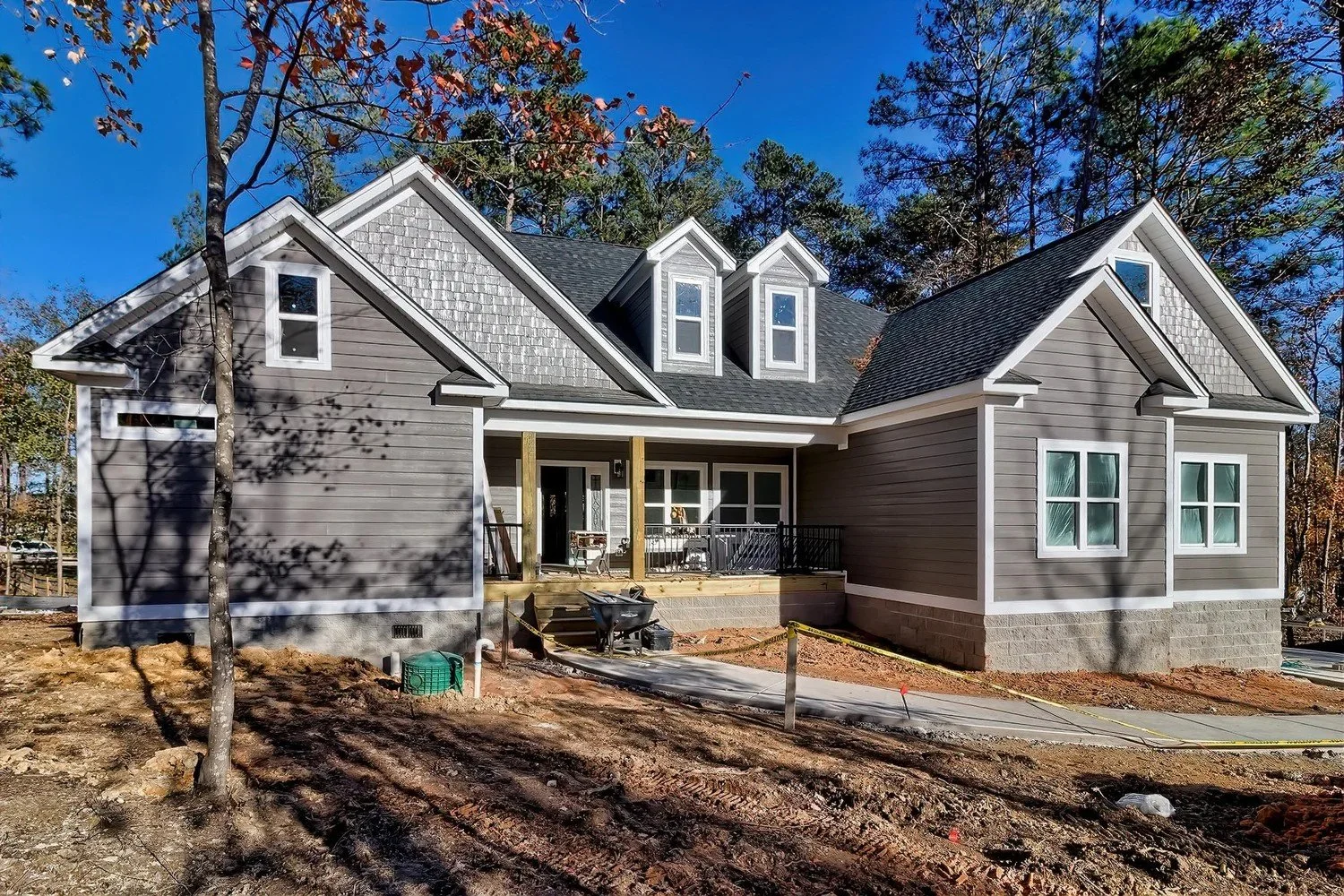
We sold 117 Serenity Pointe in Mariners Retreat on Lake Murray, a new-construction, one-level home on a .50-acre wooded lot in an established neighborhood of custom homes on large lots. The listing focused on the new-construction timeline, the Lake Murray location and the wooded lot, and the home sold for $549,000 in 2025.
Ready to buy or sell? Call The Patrick O'Connor Team at 803-243-0224.