
Buying a Second Home on Lake Murray SC: Full Guide
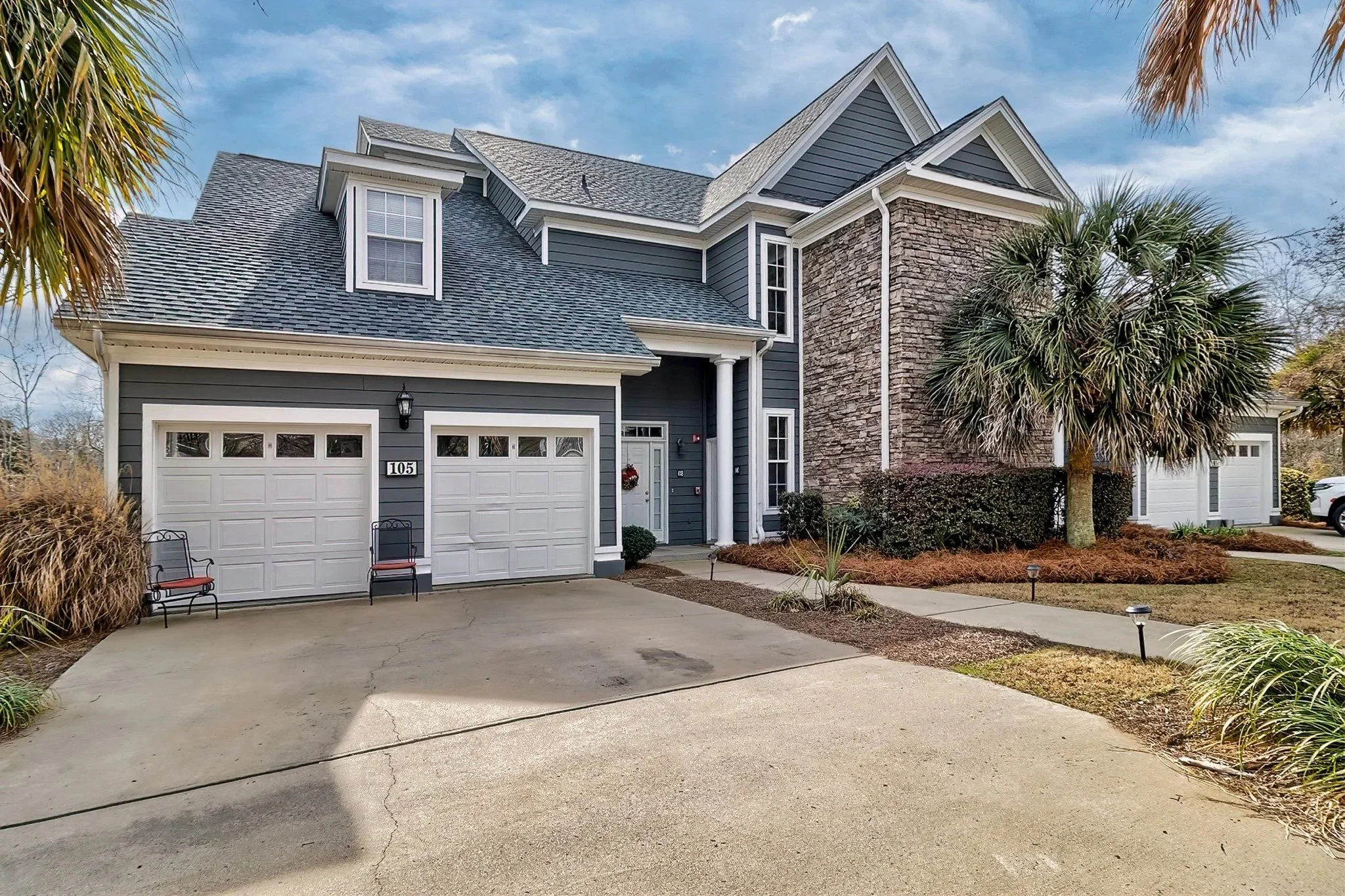
The basics are knowable, and once you understand how they stack together, the decision gets a lot clearer.
Lake Murray draws second-home buyers for real reasons. The reservoir offers year-round recreation, the Midlands cost of living is generally lower than many coastal South Carolina resort areas, and the rental market has genuine seasonal income potential for buyers who want the property to work when they're not using it. This guide covers what it costs, how financing works, which communities make sense depending on your goals, what the county rental rules actually say, and what insurance you'll need before you close.
Key takeaways
Second-home tax treatment: South Carolina assesses vacation properties at 6%, not the 4% primary-residence ratio, creating a 50% larger tax base before millage is applied.
Financing is stricter: Expect at least 10%–20% down and a rate premium of roughly 0.25–0.75 percentage points above primary-residence rates.
Rental rules vary by county: Lexington County requires an annual Short-Term Rental Zoning Permit with a $320 fee; Richland County requires registration and a business license; Newberry County rules must be verified parcel by parcel.
Insurance requires multiple policies: A standard homeowners policy excludes flood damage; docks, boat lifts, and watercraft need separate or scheduled coverage.
Community choice matters: Chapin, Lexington, and Irmo each offer a different mix of price, amenities, and commute access that significantly affects how much you use and enjoy the property.
What a second home on Lake Murray SC actually costs
The single most important thing to understand before you start browsing listings is that "Lake Murray waterfront" covers an enormous range. Getting clear on which category you actually need is the first budget decision.
Here's how the price tiers break down based on our team's 2026 market observations across active listings and recent closings:
One critical note: "lakefront" on a listing does not automatically mean a usable private dock. Water depth, shoreline conditions, cove shape, and SCE&G permitting all factor into whether a dock is actually feasible on a given lot.
Beyond the purchase price, owning a second home on Lake Murray SC carries ongoing costs that buyers sometimes underestimate. Under South Carolina law, vacation properties are assessed at the 6% ratio rather than the 4% primary-residence ratio, a distinction confirmed by county assessor guidance and the state tax code. Budget a maintenance reserve of 1%–2% of property value annually as an industry rule of thumb; waterfront homes often exceed that in years involving dock repairs, seawall work, or storm cleanup. Utilities, insurance, and property management (if you're not nearby) add separate line items on top of all of that.
Financing a second home on Lake Murray SC
Second-home loans follow different rules than primary-residence mortgages, and buyers who discover this mid-process often feel blindsided. Most conventional lenders require at least 10%–20% down on a vacation property, compared to as little as 3%–5% on a primary home. Interest rates also run higher: in 2026, second-home mortgage rates carry a premium of roughly 0.25–0.75 percentage points above comparable primary-residence loans, with a practical midpoint estimate of about 0.50 percentage points.
How the "second home" definition affects your loan
The property itself has to qualify under the lender's "second home" definition, which generally means it's primarily for personal use and not operating as a full-time rental business. Properties flagged as investment properties face stricter loan terms, higher down payment requirements, and tighter debt-to-income scrutiny. If you plan to rent the property part of the year, discuss that plan with your lender upfront so you're working with the right loan structure from the start.
Down payment, rates, and tax treatment
The tax treatment deserves its own attention because it surprises buyers relocating from other states. On a $600,000 purchase, South Carolina's 6% second-home assessment ratio produces a $36,000 assessed value. The county where the parcel sits also matters: Lexington County's base rate runs lower than Richland or Newberry, and Saluda County is highest of the four. Confirm the exact parcel county before you model your annual tax bill.
*Calculated using the 6% second-home assessment ratio and base rates only. School operating millage and other levies are additional; the actual bill will be higher.
Which Lake Murray communities work best for a second home?
Chapin, Lexington, and Irmo each serve a different buyer profile, and the right community depends on whether you're prioritizing lake lifestyle, commute access, amenities, or budget. Chapin is the strongest pure lake-lifestyle market on the Murray, a lake-access home in the wrong community can sit unused, and the right match makes all the difference in how much you actually enjoy the purchase.
Chapin leads the Lake Murray SC real estate market for buyers who want full lake-community infrastructure. Amenity-rich neighborhoods like Palmetto Shores and Lakeport serve lake-access buyers well, with ramps, courtesy docks, pools, storage, and lawn care. Buyers seeking a private dock look to premium waterfront developments like Waterside at Pine Island. Chapin has the recognizable lake-community character that many second-home buyers picture when they start their search.
Lexington is the premium end of the market. Lexington also offers proximity to retail, healthcare, and I-20 access, which matters for buyers who plan to commute to Columbia on weekends or use the property more like a semi-primary residence. The price range here is wide, which means Lexington serves both budget-conscious lake-access buyers and high-end waterfront buyers.
Irmo is more suburban and commuter-oriented, closer to I-26 and Columbia. The western and rural shores toward Newberry and Saluda counties offer larger private lots and natural shoreline at lower densities, but with fewer neighborhood conveniences. For buyers who want quiet and space over community amenities, those areas are worth exploring.
Can you rent out a second home on Lake Murray SC?
The short answer is yes, but the rules are county-specific, and in at least one jurisdiction they became significantly more structured starting in 2025. Building a rental income model into your purchase underwriting before you understand the permitting requirements is a mistake that can be costly to unwind.
Lexington County, where most Lake Murray rental activity concentrates, requires an annual Short-Term Rental Zoning Permit effective January 1, 2025. The key requirements include:
Minimum two-night stay
Booking guest age of 25 or older
Occupancy limits tied to septic capacity
SCDHEC septic inspection within 30 days of application
Neighbor notification
Local response representative within 45 minutes
Permits are valid for one year and must be renewed before expiration. A new permit, not just a renewal, is required if ownership, management, or approved rental parameters change.
Richland County requires property registration, a county business license for stays under 30 days, and collection and remittance of a 3% local accommodations tax. Richland's framework is generally less prescriptive than Lexington's, but zoning, building and fire rules, and HOA covenants can add restrictions. Newberry County has no identified countywide STR permit equivalent to Lexington's or Richland's; buyers must verify zoning, business-license, and tax requirements at the parcel level before listing. One thing that applies across all counties: HOA covenants may restrict or prohibit short-term rentals regardless of what the county permits, so check the declaration before any rental plan is built into your underwriting.
On the income side, Lake Murray STR demand concentrates heavily in summer, with June through August producing the strongest occupancy and July typically the peak month. As of mid-2026, Vrbo listings show waterfront and lake-access homes ranging from about $158 to $845 per night, with larger premium homes listed near $995 per night. Shoulder season from April through May and September offers meaningful demand, but the off-season from November through March requires conservative modeling. A well-positioned lakefront home can generate real seasonal income, but the carrying costs during slower months are part of the math that determines whether the numbers actually work.
What insurance actually covers on a lakefront property
Waterfront ownership typically requires three separate insurance conversations: homeowners coverage, flood coverage, and coverage for docks and watercraft. Buyers who discover coverage gaps after closing either go uninsured or pay out-of-pocket for claims they assumed were covered. Understanding the multi-policy reality before you close is the right sequence.
A standard homeowners policy covers the structure and personal liability but excludes flood damage. Flood insurance is not automatically required just because a property sits on the water. The requirement depends on the parcel's FEMA flood zone designation and the lender's rules. Properties in FEMA Special Flood Hazard Areas, generally zones A, AE, AH, or AO, require flood coverage as a mortgage condition. Many Lake Murray parcels fall in Zone X, which carries lower risk, but Zone X does not mean zero flood risk, and voluntary coverage is often prudent for shoreline property.
For higher-value homes, the National Flood Insurance Program's caps of $250,000 building coverage and $100,000 contents may not be sufficient. A private policy may be necessary to fill that gap. Flood premiums vary too much by property to rely on general estimates; obtain a property-specific quote rather than assuming you'll pay what the seller paid under Risk Rating 2.0.
Standard "other structures" coverage is typically inadequate for docks, boat lifts, boathouses, and seawalls. Request scheduled dock coverage and confirm whether flood, wind, rot, and liability losses over water are included. Waterfront properties with frequent guests, especially rental guests, carry elevated liability exposure. Higher personal-liability limits and an umbrella policy are worth discussing with your insurer before closing, not after.
Your next move: working with a team that knows Lake Murray inside out
Before making an offer on any Lake Murray property, there are five questions worth getting answered in writing. What is the FEMA flood zone for this specific parcel, and does the lender require flood insurance? Can this lot support a permitted private dock given water depth, shoreline conditions, and SCE&G rules? Is the property in unincorporated county or inside a municipality, and what does that mean for STR permitting? What are the HOA's rules on rentals, and are there pending special assessments? What is the second-home property tax estimate using the 6% assessment ratio for this specific county and tax district? These aren't questions you want to research after you're under contract.
The Patrick O'Connor Team at Coldwell Banker Realty has spent over 12 years closing Lake Murray transactions across Chapin, Lexington, Irmo, and the surrounding Midlands communities. We've worked through the dock permit question, the rental income modeling, and the community-level details that don't appear in a listing description on many waterfront and lake-access transactions. With over 1,600 families served and a verifiable track record on Lake Murray properties, we know what separates a smooth closing from an expensive surprise.
For buyers relocating from out of state or working through the process remotely, having a locally embedded team with deep knowledge of this market helps you navigate a purchase you can't easily make in person. Whether you're looking for a personal retreat or a hybrid rental-and-use property, the right starting point is a conversation about what you want the property to do. Each path points toward different communities, different property types, and a different offer strategy.
Buying a second home on Lake Murray SC is genuinely achievable across a wide range of budgets, but the details stack up fast: stricter financing, a different tax treatment, multiple insurance policies, and rental income that depends on county permits that vary by jurisdiction. The buyers who navigate this well tend to be the ones who get local expertise early. Reach out to our team, and we'll help you figure out which part of Lake Murray fits exactly what you have in mind.
Frequently Asked Questions
How will HOA covenants affect my ability to rent a Lake Murray second home?
HOA covenants can prohibit or restrict short-term rentals and must be checked before you build a rental plan into underwriting. We state that HOA rules may override county permissions, so confirm the declaration for any rental restrictions before you buy.
What determines whether a lot can have a private dock?
Dock feasibility depends on water depth, shoreline conditions, cove shape, and SCE&G permitting rather than the listing label 'lakefront' alone. We advise verifying those physical and permitting factors for the specific parcel because a listing's 'lakefront' claim does not guarantee a usable private dock.
Do I need special liability coverage if I plan to rent to guests?
Yes, waterfront rental activity increases liability exposure and higher personal-liability limits or an umbrella policy are worth discussing with your insurer. We note that frequent guests, especially rental guests, raise liability risk and that docks, boat lifts, and watercraft often need scheduled or separate coverage beyond a standard homeowners policy.
How should I estimate property taxes for a Lake Murray second home?
Estimate taxes using the 6% second-home assessment ratio and the county's base rate because South Carolina assesses vacation properties at 6% rather than the 4% primary-residence ratio. We emphasize confirming the parcel's county and tax district before modeling the annual tax bill, since county base rates and additional millages like school operating millage will change the actual amount.
Local example
See how The Patrick O'Connor Team sold a Lake Murray home: 105 Serendipity Way, Unit 39C.
Ready to buy or sell? Call The Patrick O'Connor Team at 803-243-0224.