
Buying a Home on Lake Murray, SC: A Practical Guide
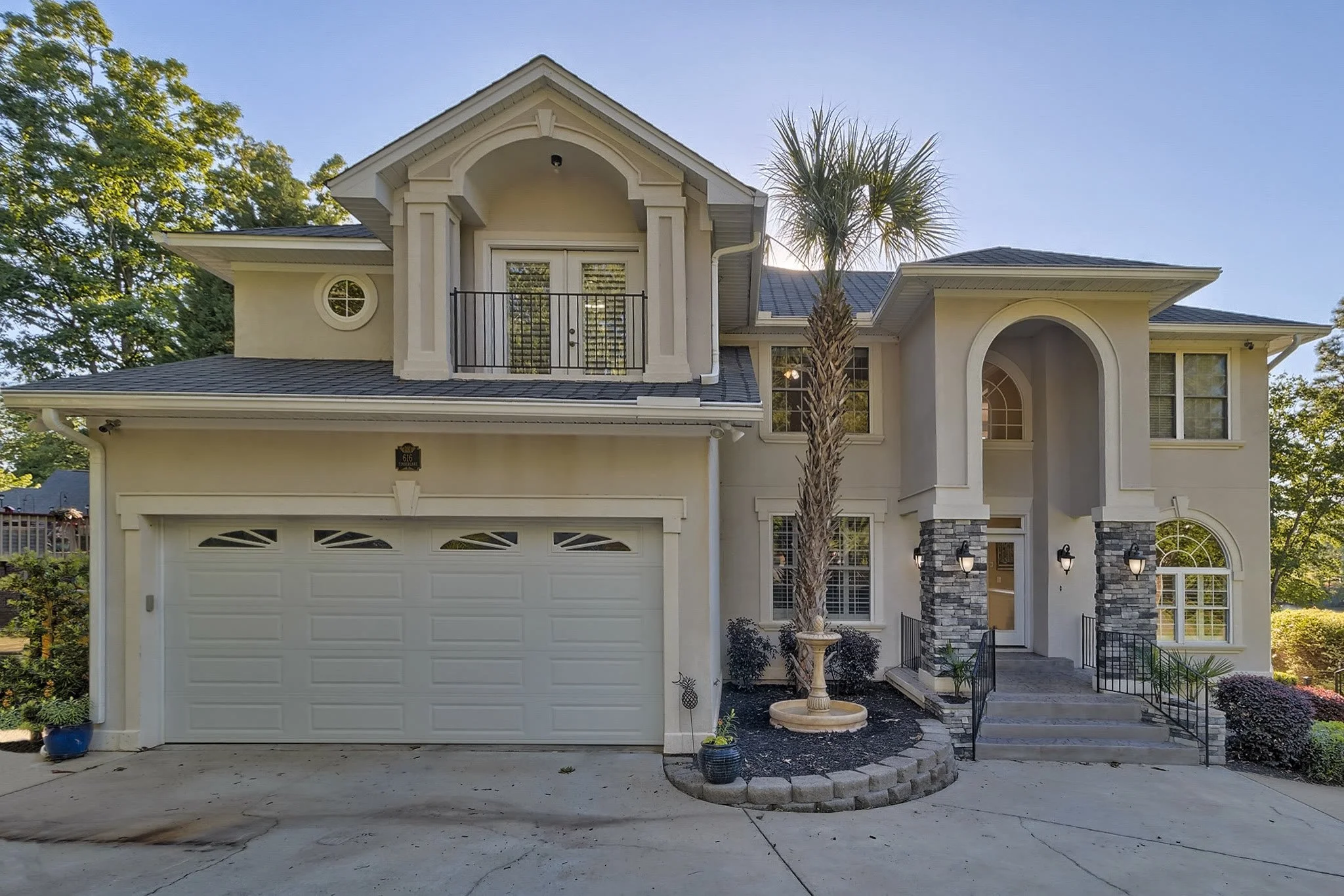
If you're wondering how to buy a Lake Murray SC home, start here. The photos of sunrise over open water, the docks stretching out from forested shorelines, the neighborhoods in Chapin, Irmo, and Lexington that manage to feel both quiet and convenient, it all adds up fast. That appeal is pulling buyers in from across the country, particularly from higher cost-of-living states where the same waterfront lifestyle costs three times as much. But buying a home on Lake Murray, SC is genuinely different from a standard residential purchase, and buyers who discover that after they're under contract are the ones who end up stressed.
The differences come from dock rules, Dominion Energy shoreline permits, specialized inspection requirements, septic system prevalence, flood zone designations, and insurance stacking that most buyers have never encountered. None of it is insurmountable. All of it requires a plan. This guide was put together by The Patrick O'Connor Team at Coldwell Banker Realty, the #1 Coldwell Banker team in South Carolina, with over 12 years of experience and more than 1,600 families helped across the Greater Columbia and Lake Murray area. Use it as a practical road map so you know exactly what to research, budget, and ask before you make an offer.
How to Buy a Lake Murray SC Home: Market Snapshot
Current prices, inventory, and what "active" means here
The median listing price across the Lake Murray area currently sits at approximately $429,950, with around 492 active listings. Redfin's median sale price tracks closer to $426K, what homes are actually closing for versus how they're listed. Waterfront listings represent a more focused subset of roughly 115 active homes, with a median listing price near $520K. The wide price spread exists because "Lake Murray" covers everything from a modest A-frame cottage with shared lake access to a lakefront estate with a private covered dock and five thousand square feet of living space.
For buyers, "active" doesn't always mean available. Some waterfront homes are listed but under contingent contracts, and the fastest-moving properties can go under contract within days of hitting the market, particularly between March and August. If a property catches your eye, waiting a week to schedule a showing can mean missing it entirely.
Which counties and communities make up the Lake Murray shoreline
Lake Murray spans four counties: Lexington, Richland, Newberry, and Saluda. The most active buyer communities are Chapin, Irmo, Lexington, Gilbert, Ballentine, and Prosperity. Where a home falls within those counties matters beyond geography. Lexington County and Richland County have different millage rates, and primary-residence homeowners qualify for a 4% assessment ratio compared to 6% for investment or second-home buyers, a meaningful tax difference on a $500K lakefront property. County boundaries also determine which building department handles your permits, which school district the address feeds into, and which county officials you'll coordinate with for septic approvals and land-disturbance reviews.
How to Find Listings and Choose the Right Community
The difference between MLS listings and off-market opportunities
The MLS captures most active listings, but waterfront homes on Lake Murray frequently sell before they appear on Zillow or Realtor.com. Off-market opportunities come from agent relationships, neighborhood knowledge, and conversations happening months before a listing goes live. A buyer relying solely on a search portal is always a step behind. The buyers who find the best properties at the best prices are typically working with an agent embedded in the Lake Murray market year-round, not one who is navigating it for the first time. If you're serious about how to buy a Lake Murray home on favorable terms, off-market access isn't a bonus; it's a baseline requirement.
What to ask a Lake Murray agent before your first showing
Before you walk through a single home, you need answers to a specific set of questions. Ask about dock condition and permit history with Dominion Energy. Confirm whether shoreline access is deeded or shared. Clarify the Dominion Energy easement boundaries on the lot. Find out whether the HOA restricts the type or size of watercraft allowed at the dock. Determine whether the home connects to public sewer or relies on a private septic system. These aren't minor details, they define what you can do with the property and what it will cost you to maintain it.
Why local market expertise changes the outcome
The Patrick O'Connor Team works with Lake Murray buyers daily, including many relocating from out of state who need to evaluate communities, school districts, and commute times without the ability to visit repeatedly in person. The team's access to both on-market and off-market properties, combined with deep knowledge of Dominion Energy's permitting requirements for each lake community, gives buyers a real advantage over searching independently. That local knowledge isn't a marketing point. It's the difference between finding the right home and spending six months looking at the wrong ones.
Financing a Lakefront Home and Making a Competitive Offer
What lenders look at differently for waterfront properties
Waterfront financing has layers that standard purchase loans don't always accommodate. Lenders apply stricter appraisal scrutiny because waterfront properties have fewer comparable sales and unique features, which means they may require an appraiser with specific waterfront valuation experience. Flood insurance is required for any federally backed loan where the home sits in a Special Flood Hazard Area, and lenders factor that premium into your monthly debt-to-income calculation. Jumbo loan requirements kick in for higher-priced properties and typically mean larger down payments, stronger cash reserves, and full income documentation. Getting pre-approved with a lender who has experience financing South Carolina waterfront properties, not just residential homes in general, makes a meaningful difference in both the speed and certainty of your financing.
Building an offer that holds up in this market
Seller disclosure forms don't always capture dock age, shoreline permit history, or the last time the septic was pumped. A strong offer accounts for that reality. Include an inspection contingency with enough time to schedule not just a general inspector but also a septic specialist and a dock or marine inspector. Clarify in writing what conveys with the property, including boat lifts, dock furniture, and any watercraft. Be realistic about timelines, specialty inspections on waterfront properties take longer to schedule and complete than a standard home inspection does.
How to Buy a Lake Murray SC Home: Inspections That Matter
Septic systems and what red flags actually look like
A large percentage of Lake Murray homes rely on private septic systems rather than municipal sewer. The EPA recommends inspection every one to three years and pumping every three to five years. During a showing or inspection, watch for slow drains, gurgling pipes, wet spots near the drainfield, sewage odors, and standing water near the tank. Routine pumping runs $400 to $800, but drainfield repair or full system replacement can run well above $6,000, sometimes reaching $15,000 or more depending on system size and site conditions. Schedule a standalone septic inspection separate from your general home inspection. It's worth every dollar.
Dock, seawall, and shoreline condition
Treated wood on docks and seawalls degrades under sustained water exposure, and what looks structurally sound from the top can hide rot, loose fasteners, and deteriorated pilings below the waterline. Inspectors should check for erosion beneath seawalls, structural integrity of boat lifts, and any signs that the shoreline is moving toward the home. Any repair or replacement work on a dock or seawall requires Dominion Energy permitting before it starts, which adds time and cost to what might appear to be a straightforward fix.
Moisture, mold, and foundation exposure
Waterfront conditions produce elevated humidity year-round, and Lake Murray homes see higher rates of mold in crawl spaces, sill plates, and subfloor systems than comparable inland homes. Request a moisture inspection as part of your general inspection. Pay close attention to how the grading around the home directs water: if the lot slopes toward the foundation rather than away from it, moisture accumulation and foundation stress become ongoing risks, not one-time concerns.
Lake Murray Dock and Shore Rules: Dominion Energy Approval Explained
Why Dominion Energy approval comes before anything else
Dominion Energy owns and manages the Lake Murray reservoir, and their approval is required before any construction, repair, replacement, or addition to a dock or seawall begins. No rip-rapping, open cell block, or retaining walls may be constructed or repaired without a permit from Dominion, regardless of how minor the work seems. Private docks are generally limited to 750 square feet and 75 feet in length. Floating docks must use encapsulated flotation. Most residential dock applications require a minimum lot width of 100 feet along the 360-foot contour. When you're evaluating a home's dock, you're also evaluating its permit history and whether any prior work was done without required approvals.
Federal and county layers that stack on top of Dominion
The U.S. Army Corps of Engineers may require federal authorization for certain shoreline projects depending on scope and location. Lexington County can add building, zoning, floodplain, and land-disturbing activity requirements on top of Dominion's approval. Electrical service to a dock requires both Dominion authorization and a separate county electrical permit. This multi-agency approval structure is one of the most common surprises for buyers who assume a dock is a dock and repairs are simple. They're not, and knowing this before you close gives you the leverage to negotiate accordingly.
What to read in the HOA documents before closing
HOA or architectural review board approval is entirely separate from Dominion Energy approval, and HOA covenants are often stricter. Some communities restrict covered dock slips, limit dock placement, or regulate on-water storage of boats and personal watercraft. Request the full HOA documents early in the due-diligence period and review them alongside the Dominion permit history. These two documents together tell you what the property actually allows you to do on the water, not just what it looks like it allows.
What Insurance and Closing Costs Actually Add Up to on Lake Murray, SC
Homeowners insurance for a waterfront home
South Carolina's statewide average homeowners premium is around $2,900 per year. Waterfront homes typically run 15% to 30% higher because of storm exposure and elevated liability. For a typical Lake Murray lakefront home, budgeting $3,300 to $3,800 per year for homeowners coverage is a reasonable baseline, with higher-value homes or those with significant water-facing exposure running substantially more. The base policy also generally caps coverage for "other structures" like docks and boathouses at roughly 10% of the dwelling coverage amount, which may leave significant gaps on a property with an older or larger dock.
Flood insurance: what the base policy doesn't cover
Standard homeowners insurance does not cover flood damage from rising lake water. Lake Murray shoreline properties are commonly mapped in FEMA flood zones AE and X, with AE indicating the 100-year floodplain. A separate flood policy through the NFIP or a private carrier is standard for any Lake Murray waterfront home, and your lender will require it if you're in a Special Flood Hazard Area. Nationally, NFIP premiums average around $888 per year, but your actual cost depends on your property's flood zone, elevation certificate, and coverage amount. Get the elevation certificate before you close, not after.
Umbrella liability and what to budget for closing
Waterfront liability exposure is higher than on an inland home. Based on industry-standard guidance for lakefront properties, most insurance professionals recommend at least $1 to $2 million in umbrella coverage for Lake Murray homeowners, particularly those with docks, boat lifts, or watercraft associated with the property. On the closing side, South Carolina buyers should plan for standard closing costs of roughly 2% to 5% of the purchase price, covering title, attorney fees, lender charges, prepaids, and escrow setup. At a $450,000 purchase price, that's $9,000 to $22,500 in closing costs on top of your down payment.
Your Lake Murray Home Buying Checklist: Practical Next Steps
Buying a Lake Murray home is one of the most rewarding real estate decisions you can make. The lifestyle is exceptional, the community is strong, and the market has consistently attracted buyers who stay for decades. The buyers who navigate the process well are the ones who go in prepared. Here's what that looks like in practice:
Understand market pricing and county geography, know which county your target home falls in and how that affects taxes, permits, and school districts.
Search with a local agent who has access to both on-market and off-market Lake Murray properties, not just what's posted on the portals.
Get pre-approved with a lender experienced in South Carolina waterfront financing, not just standard residential loans.
Schedule a septic inspection and a dock or marine inspection separately from your general home inspection; these require different specialists.
Review the Dominion Energy permit history and full HOA documents before removing contingencies, both documents define what you can actually do on the water.
Budget for the full insurance stack, homeowners, flood, and umbrella coverage, before you finalize your numbers.
Ready to learn how to buy a Lake Murray SC home the right way? The Patrick O'Connor Team at Coldwell Banker Realty has helped more than 1,600 families across the Midlands, including hundreds of Lake Murray waterfront buyers, many relocating from out of state. With access to on-market and off-market listings across Chapin, Irmo, Lexington, and the surrounding lake communities, plus deep expertise in Dominion Energy permitting and local market comps, the team gives buyers a genuine advantage at every stage of the process. Reach out today for a personal consultation. The lake isn't going anywhere, but the right property often does.
Ready to buy or sell? Call The Patrick O’Connor Team at 803-243-0224.