
Lake Murray Water Depth: How Deep Water vs Shallow Coves Affect Your Sale Price
Lake Murray water depth, specifically how deep water vs. shallow coves affect your sale price, is one of the most consequential variables in the local waterfront market right now. Depth, specifically, how many usable feet sit beneath a buyer's boat lift when the lake is at its lowest, is a major driver of the premium, alongside lot position, frontage, and home condition; market evidence shows depth often explains much of the dollar gap. Understanding exactly where your property stands on that spectrum is not a background detail for a waterfront listing. It is the foundation of your pricing strategy.
The difference between a "waterfront home" and a "deep-water waterfront home" in listing language is not just marketing, it is a pricing decision with six-figure consequences. This guide breaks down how Lake Murray water depth, cove location, seasonal fluctuations, and dock permitting combine to determine what your property is worth to the buyers writing the largest checks.
Key takeaways
Depth threshold matters: The practical local benchmark is approximately 8 feet or more at the dock at normal summer pool, though no official MLS standard exists.
Seasonal risk is real: Lake Murray fluctuates between roughly 355 and 360 feet above sea level, and periodic drawdowns to around 350 feet can make marginal coves unusable.
Dock permitting can eliminate value: Properties in designated Environmental Sensitive Areas or shallow-water zones may not qualify for a private dock at all.
Documentation protects your price: Sellers with current depth measurements, valid Dominion dock permits, and accurate listing language hold the negotiating position through due diligence.
Buyer agents target gaps: Undocumented or borderline depth is one of the most common leverage points used to negotiate price reductions after a contract is signed.
Lake Murray water depth: What "deep water" actually means
Lake Murray does not have a single MLS-defined cutoff between "deep water" and "shallow cove." Local listings use those terms as practical marketing categories, not measured standards. A buyer reading "deep-water access" in a listing is reading a claim, not a certified measurement, and experienced buyer agents know exactly how to challenge it.
The working benchmark most used by local agents is roughly 8 feet or more at normal summer pool, around 358 feet above sea level, at the dock and boat lift. That depth accommodates most recreational boats common on Lake Murray without restrictions during routine seasonal fluctuations. Properties that fall below that threshold near the dock face meaningful access concerns during lower lake levels, even if the main body of water reads deep on a bathymetric map.
Cove position adds another layer of complexity. A home on the main channel or a wide, open cove typically enjoys more consistent depth and a shorter route to open water. A home at the back of a narrow cove may show adequate depth in spring and early summer but become a problem property during fall drawdowns or vegetation-management events. Cove shape, bottom slope, and proximity to open water all matter as much as the number of feet measured at the dock on a single afternoon.
How Lake Murray water depth moves your sale price
Even within the shallow-cove category, the presence or absence of a usable, permitted dock creates its own internal price gap. Lots that cannot support a functional private dock because of depth restrictions commonly fail to achieve much of the deep-water premium and can sell for substantially less.
A shallow cove that works for a pontoon boat does not work for a 25-foot cruiser, and that eliminates a substantial portion of the highest-offer buyer pool before negotiations even begin.
What seasonal lake levels do to shallow-cove listings
Lake Murray's water level typically fluctuates between 355 and 360 feet above sea level across the calendar year, with the summer target near 358 feet and fall levels often settling around 355 feet. That 3-foot swing is manageable for most deep-water properties. For a shallow cove that is already marginal at 357 feet, that same seasonal drop can push dock access from inconvenient to unusable.
Beyond routine seasonal variation, Dominion Energy lowers Lake Murray to approximately 350 feet for vegetation management, an event that occurs roughly every three to five years. During those drawdowns, the backs of shallow coves can resemble low-water creek channels. Docks that sit at borderline depth during normal pool may lose practical access entirely, and boats may need to be temporarily removed. Sellers who do not disclose depth vulnerability during drawdown events risk losing negotiating leverage during inspection and due diligence, and may face renegotiation or offer withdrawals if documentation is lacking.
An informed buyer's agent will ask about the last drawdown date and request documented depth measurements at multiple lake levels. If a seller cannot answer those questions with actual numbers, buyers negotiate down or walk away. Knowing your property's depth profile across a full seasonal range is not optional information for a waterfront listing, it is the basis of your asking price defense.
Which dock permitting rules can sink a shallow-water sale
Dominion Energy and the Army Corps of Engineers govern dock construction on Lake Murray, and their rules create measurable marketability risk for shallow-cove properties. Private residential docks are generally capped at 75 feet in length and 750 square feet. If the usable water on a shallow lot sits beyond that 75-foot reach, the property cannot support a compliant private dock under standard approval limits, according to Lake Murray dock permitting guidance from scmidlandsagent.com.
A standard residential dock on Lake Murray requires at least 100 feet of lot width along the 360-foot contour. Slip-type docks require approximately 200 feet. Any dock and moored vessel combined also cannot obstruct more than roughly one-third of a cove's width. In a narrow cove, that one-third rule can prohibit a full-sized dock even if the depth were adequate. Shallow lots in tight coves may fail on two independent permitting criteria at the same time, making a dock legally infeasible regardless of what the seller's listing language says.
Dominion's Shoreline Management guidelines also prohibit dock permitting in designated Environmental Sensitive Areas and in areas characterized as shallow water. If a property sits in or adjacent to such a designation, no dock may be permitted regardless of frontage or lot width, according to Lake Murray permitting guidelines from saludacounty.sc.gov. Sellers with an existing dock on a shallow lot should verify that the permit is current, transferable, and recorded before listing, and should not assume that an existing structure means a buyer can rebuild or expand it after purchase.
How to price, disclose, and list your property using real depth data
Sellers going to market on a Lake Murray waterfront home should gather four specific documents before any pricing conversation begins:
A current depth measurement at the dock and boat lift under a stated lake level
A copy of the existing Dominion dock permit, or a written determination that one is obtainable
The recorded frontage measurement along the 360-foot contour
Documentation of the depth at the last significant drawdown, if available
Those four items determine whether the property supports a full deep-water price, a moderate dock-access price, or a lake-view-only price.
MLS descriptions should state measured depth at a named lake level, not simply describe a property as "deep water" or "dockable." "Deep-water access" without supporting measurement invites buyer objections during due diligence and can become a material misrepresentation issue if the buyer's survey tells a different story. Accurate, specific language protects the seller and signals confidence in the data, a negotiating asset that holds up through inspection.
The Patrick O'Connor Team at Coldwell Banker Realty specializes in Lake Murray waterfront home sales. The team leverages hyper-local market expertise and data to set defensible list prices. When a deep-water home is priced with proof of its depth, it commands the premium. When a shallow-cove home is priced honestly with its access documented, it may close with fewer contingencies than one that oversells and undersupports.
The bottom line on Lake Murray water depth and your sale price
Lake Murray water depth shapes every meaningful number in a waterfront transaction. Dock permitting rules determine whether a buyer can keep the vessel they already own. Seasonal fluctuations decide whether a marginal property delivers on its promise or becomes an expensive lesson after closing. Each of those factors connects directly to depth, and each one is documentable before you set a price.
Sellers who go to market with actual depth data, current permit documentation, and precise listing language hold the negotiating position through due diligence. Sellers who rely on marketing labels without evidence hand that position to buyers who do their homework.
If you are preparing to sell on Lake Murray and want pricing built on lake data rather than guesswork, that is exactly the conversation to start before you set an asking price, not after. Reach out to our team and let us show you where your property stands.
Frequently Asked Questions
How should we document our property's water depth for a listing?
You should obtain a current depth measurement at the dock and boat lift under a stated lake level as the primary document. We also recommend including the recorded frontage measurement along the 360-foot contour and, if available, documentation of depth at the last significant drawdown to support your listing language.
What permitting rules could prevent a buyer from using a dock on our lot?
Dominion Energy and the Army Corps of Engineers rules can make a private dock legally infeasible on some shallow lots. We note private docks are generally capped at 75 feet in length and 750 square feet, require minimum lot width along the 360-foot contour (about 100 feet for a standard dock and ~200 feet for slip-type docks), and docks are prohibited in designated Environmental Sensitive Areas or shallow-water zones.
How do seasonal fluctuations and drawdowns affect buyer negotiations?
Seasonal drops and periodic drawdowns materially increase negotiation leverage for buyers if depth vulnerability is undocumented. We explain that routine level swings between roughly 355 and 360 feet are manageable for deep-water lots, while drawdowns to about 350 feet for vegetation management can render marginal coves unusable and prompt price reductions or offer withdrawals if sellers lack documented depth data.
Local example
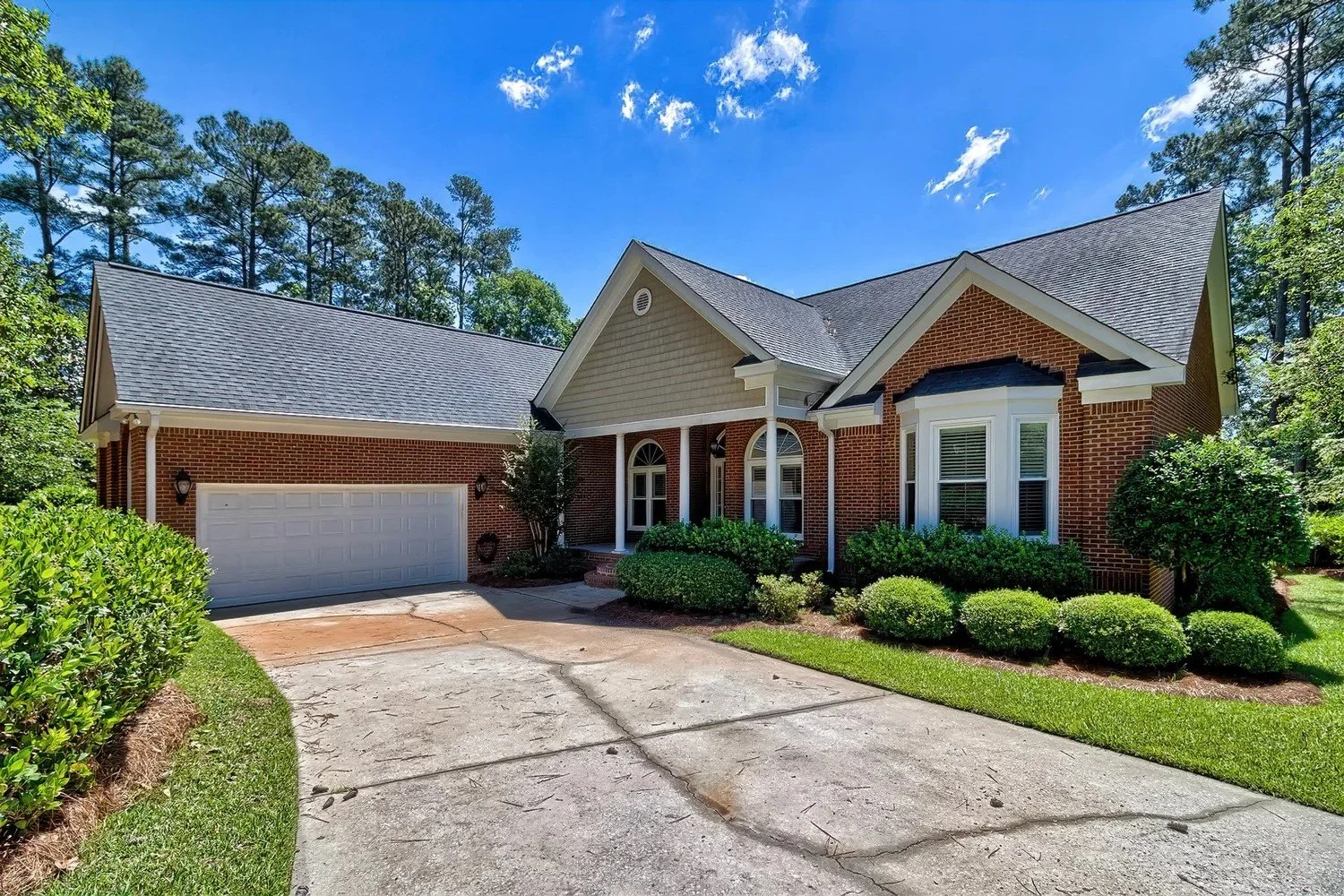
We sold 1301 Silver Point Road in Chapin, an all-brick, one-level waterfront home on over a half acre on Lake Murray with a private dock with boat lift and water views. It is zoned for Chapin Schools, has no HOA, and sold for $1,034,000 in 2024.
Ready to buy or sell? Call The Patrick O'Connor Team at 803-243-0224.