Lake Murray HOA Communities: What Every Buyer Must Know
Not all Lake Murray HOA communities are built the same. Buying into the wrong HOA without reading the documents first is one of the most expensive mistakes a Lake Murray buyer can make, and it's a common, costly one. This Lake Murray HOA guide covers what to request, what to evaluate, and what should give you serious pause before you sign anything.
The good news: HOA communities on Lake Murray often deliver real value. Managed shorelines, community boat ramps, neighborhood standards, and shared amenities can make lake living genuinely better. The key is knowing how to tell a well-run association from one that's heading toward a special assessment or a lawsuit.
Key takeaways
Document checklist matters: Request the declaration, bylaws, reserve study, operating budget, estoppel letter, meeting minutes, and existing dock permits before your due-diligence period closes.
Fee layers add up: Some Lake Murray communities carry both a master HOA fee and a section-specific fee. Confirm with your lender how multiple association dues are treated in your debt-to-income calculation, as lender guidelines, including those from Fannie Mae and FHA, generally require all association dues to be counted.
Dock eligibility is not automatic: A "dockable community" means the HOA permits docks in principle, not that your specific lot qualifies under Dominion Energy's requirements.
Reserve funding signals health: Reserve-study guidance from sources such as managecasa.com and hoastart.com generally treats 70% funded or higher as a healthy position; below 30% is a material risk flag for future assessments.
SC law protects you: Under South Carolina Title 27, Chapter 30, sellers must provide a resale disclosure packet within statutory timelines. Buyers have a limited cancellation window after receipt if those obligations aren't met. Consult the statute or a South Carolina real estate attorney for exact deadlines.
Local expertise changes outcomes: A specialist who works Lake Murray communities daily knows which associations carry dual fees, which financials are shaky, and which dock covenants create post-closing headaches.
What HOA communities on Lake Murray actually cost
The fee spectrum on Lake Murray is wide, and what you pay depends almost entirely on what the association maintains.
Premium waterfront communities routinely exceed that, and the difference is usually visible in the amenities.
One detail buyers frequently miss: some Lake Murray communities carry both a master HOA fee and a section-specific or neighborhood sub-association fee. Timberlake Plantation in Chapin is a clear example, where a master association covers the broader community and individual sections may carry additional charges. If a listing shows only one number, always confirm in writing whether a second obligation exists. Both fees attach to the property, and your lender typically counts them both when calculating your debt-to-income ratio, confirm how your specific loan program handles multiple association dues with your lender.
Regular dues are also just the starting point. Boat-slip fees, dock permits, capital contributions, special assessments, and watercraft storage charges are often billed separately. Request a full accounting of everything the property owner is expected to pay before you write an offer, not after.
What CC&Rs and architectural rules govern daily life in a Lake Murray HOA?
Covenants, conditions, and restrictions are recorded legal documents that run with the land. They are not optional guidelines. Common provisions across Lake Murray communities cover exterior maintenance standards, lawn and landscaping upkeep, restrictions on parking RVs or boats in driveways or on lawns, rules around commercial vehicles, pet policies, and nuisance provisions. Violations can result in fines, liens against the property, or suspension of community privileges such as pool or boat-ramp access.
Most of these rules are reasonable and exist to protect property values. The only way to know whether they match how you actually plan to live is to read the full declaration before your due-diligence period closes. A 48-hour skim after going under contract is not due diligence on a document that governs how you can use your property for the entire time you own it.
Rental restrictions deserve particular attention. Some Lake Murray HOAs prohibit short-term rentals entirely or impose minimum lease terms of six to twelve months, which eliminates the Airbnb income strategy some buyers are counting on before they've read the fine print. Others restrict home-based businesses, exterior signage, and certain displays. If you plan to rent the property or operate any kind of business from it, read the use-restriction and leasing sections of the CC&Rs closely.
The architectural review process applies to more projects than most buyers expect. Exterior changes, including decks, screened porches, pools, fences, roof replacements, paint colors, and any modification along the shoreline, require a written application to the architectural review committee before work begins. Applications typically require drawings, dimensions, materials specifications, and contractor information. If you're purchasing with plans to renovate, confirm the approval timeline and process before you commit. A committee that meets quarterly can add weeks to your project schedule that a contractor's calendar does not account for.
How an HOA controls your dock and waterfront access on Lake Murray
Dock rights on Lake Murray involve two separate approval layers, and buyers routinely confuse the two. An HOA's architectural committee can approve or deny a dock application under the community's own covenants. That approval does not substitute for Dominion Energy's permit or any required county authorization. Both layers must be satisfied independently, and satisfying one does not guarantee the other. A neighborhood marketed as a "dockable community" means the HOA permits docks in principle, not that your specific lot qualifies.
Dominion Energy administers Lake Murray's shoreline permitting program. Any new dock, replacement, repair, boat lift, or floating addition requires an approved Dominion permit before construction begins. The eligibility thresholds are specific:
A standard private dock generally requires at least 100 feet of qualifying shoreline along the 360-foot contour
A slip-type dock requires at least 200 feet
Standard size limits are 750 square feet and 75 feet in length
The dock must sit at least 15 feet from adjoining property lines
Only one boat lift is generally allowed per individual dock
According to the Dominion Energy Lake Murray fee schedule (dated September 1, 2025, and current for 2026), permit fees are $250 for a new dock, $100 for a modification, and $100 for a boat lift. Confirm current fees with Dominion Lake Management before proceeding, as schedules are subject to change.
Beyond Dominion, verify county electrical permits, any applicable Army Corps of Engineers authorization, and all recorded shoreline easements. The U.S. Army Corps of Engineers covers qualifying private residential docks under a Lake Murray general permit, generally within the same 750-square-foot and 75-foot parameters. Request the recorded plat, deed, any existing dock permit, and records of prior violations or expired approvals during your due-diligence window. If neighboring owners share a dock structure, that shared-dock agreement introduces additional complexity that should be reviewed by your real estate attorney before closing. A "waterfront address" and a "dockable lot" are not the same thing, and discovering that distinction after closing is a painful lesson.
How to evaluate an HOA's financial health before you close
The single most important document to request is the reserve study. A reserve study projects the cost of major repairs to common elements and recommends how much the HOA should be setting aside annually to cover them. Request the most recent study, the current operating budget, and at least two years of year-end financial statements. Compare the reserve study's recommended annual contribution to what the association is actually budgeting. That gap tells you whether the association is saving responsibly or kicking costs down the road.
Reserve funding thresholds
Reserve-study guidance from industry sources such as managecasa.com and hoastart.com generally treats a reserve fund at 70% funded or higher as a healthy position and below 30% as a material risk indicator. For Lake Murray communities with docks, seawalls, boat ramps, roads, and storm-related infrastructure, the appropriate target sits closer to the upper end of that range, ideally near 85% to 100%, because waterfront assets involve large, irregular repair costs driven by weather, corrosion, and Dominion permit cycles. A 70% score can still be inadequate if a seawall replacement or marina renovation is imminent. The reserve study's 30-year cash-flow projection will tell you what's coming.
Special assessments
Obtain the seller's estoppel letter, which shows all amounts owed at closing, and request a written statement covering all current, approved, proposed, or informally discussed assessments. Pull board and membership meeting minutes from the past 12 to 24 months. Minutes frequently reveal looming capital projects or financial stress well before they appear in formal disclosures. Ask directly: when was the last special assessment, what was the per-unit cost, and is another one under discussion.
Litigation and insurance
These are the questions most buyers skip entirely. Request a written disclosure of all pending or threatened lawsuits, construction-defect claims, dock or easement disputes, and any government or environmental enforcement matters. Have a South Carolina real estate attorney search court records under the HOA's exact legal name. Pending litigation can affect your loan eligibility, trigger future assessments, and in serious cases, affect lake access rights that the listing described as a feature of the property.
Red flags that should make you pause or walk away
A single warning sign in an HOA package may be manageable with the right contract protections. Several flags appearing together is a different situation. The most serious warning signs include:
No recent reserve study
Evasive answers about reserve balances
A pattern of frequent special assessments
High owner-delinquency rates visible in the financial statements
Deferred maintenance on common areas
Reliance on HOA loans to cover operating costs
A budget that does not fund known capital needs
These conditions don't mean you can't buy in the community; they mean you need to understand what you're buying into and negotiate accordingly.
Your options are not limited to accepting the situation or walking away. A buyer's agent can negotiate contract language that allocates a pending special assessment to the seller, extends the due-diligence period for document review, or requires the seller to provide a complete resale package as a condition of the offer. South Carolina law under Title 27, Chapter 30 gives buyers specific cancellation rights related to the resale disclosure packet, consult the statute or a South Carolina real estate attorney for the exact statutory timelines and procedures that apply to your transaction.
Insurance is another piece buyers often postpone until it's too late to influence the purchase decision. Obtain flood insurance quotes, homeowners insurance quotes, and separate dock coverage estimates during the due-diligence period, not after closing. Standard homeowners insurance does not cover flooding, and the standard "other structures" coverage on a homeowners policy, often set at 10% of the dwelling limit per industry convention, may be inadequate for a substantial dock structure. Coverage specifics vary by carrier and policy, so obtain property-specific quotes from your insurance agent. A property with no HOA claims history can still carry significant flood or liability exposure based on its location, shoreline conditions, and waterfront structures. An umbrella liability policy is worth discussing with your insurance agent given the elevated exposure that docks, swimming areas, and waterfront guest access create.
Why working with a Lake Murray specialist changes what you find before you close
Buyers reviewing HOA documents for the first time often don't know what a healthy reserve study looks like, which dock covenants are hard limits versus architectural preferences, or how to read a delinquency report against the budget. These aren't obscure skills; they come from working the same communities repeatedly and seeing what happens when buyers skip this review. The Patrick O'Connor Team at Coldwell Banker Realty works with Lake Murray communities daily across Chapin, Lexington, Irmo, Ballentine, and the surrounding Midlands. That direct familiarity shapes which questions get asked before an offer is written, not after.
A structured pre-offer process on a Lake Murray waterfront property looks like this: confirming whether a master and sub-association both apply, requesting the resale package as part of the offer terms, flagging dock eligibility and Dominion permit status on waterfront lots, and coordinating with the buyer's attorney and insurance agent during the due-diligence window. Buyers who work with a generalist in a specialist market often close on properties without ever reviewing the reserve study, and that's a risk a knowledgeable local team helps you avoid before you're contractually committed.
We know which Lake Murray communities carry dual association fees, which ones have strong financial histories, and which specific covenants buyers most commonly run into conflict with after closing. That context is the difference between reading documents and understanding what they mean for how you'll actually live on the lake.
Complete your due diligence before the window closes
This Lake Murray HOA communities guide comes down to four priorities. Know which documents to request: the declaration, bylaws, reserve study, operating budget, estoppel letter, meeting minutes, and existing dock permits. Evaluate HOA fees and financial health honestly using the reserve study and financial statements, not just the listing sheet. Recognize the red flags that signal genuine financial or legal risk. And complete all of this before your due-diligence period closes, not after.
Lake Murray HOA communities offer real value when the association is well-run. Enforced neighborhood standards, shared amenities, and carefully managed shorelines strengthen your investment and support a better daily experience on the water. That value depends entirely on the association's financial health and governance quality, which is exactly what the documents reveal when you know what to look for.
If you're buying on Lake Murray and want a team that knows these communities at the street level, reach out to The Patrick O'Connor Team at Coldwell Banker Realty. We'll help you evaluate what's on paper against what's actually happening on the ground, before you commit. Understanding Lake Murray HOA communities and what buyers must know starts with asking the right questions at the right time, and that's exactly where we begin.
Frequently Asked Questions
How do multiple HOA fees affect my mortgage approval?
Multiple HOA fees can increase your debt-to-income calculation and affect loan approval. Lenders generally require all association dues to be counted, and programs including Fannie Mae and FHA typically treat multiple dues as part of your monthly obligations, so confirm with your lender how your specific loan program handles them.
What paperwork must the seller provide and what happens if they don't meet the deadlines?
Sellers must provide a resale disclosure packet under South Carolina Title 27, Chapter 30 within the statutory timelines. If those obligations aren't met, buyers have a limited cancellation window after receipt of the packet, so consult the statute or a South Carolina real estate attorney for the exact deadlines and procedures that apply to your transaction.
What do reserve funding percentages mean for risk and stability?
Reserve funding percentage indicates how prepared an HOA is for major repairs, with about 70% funded or higher generally seen as healthy and below 30% a material risk flag. For Lake Murray communities with docks, seawalls, and other waterfront assets, a target near 85% to 100% is more appropriate because those assets carry larger, irregular costs, and you should compare the reserve study's recommended contribution to the association's actual budget.
If a listing says "dockable community," does that mean my lot can have a dock?
No, "dockable community" means the HOA permits docks in principle but does not guarantee your specific lot qualifies. You still need HOA approval and a separate Dominion Energy permit (and any county or Army Corps approvals), and Dominion's eligibility thresholds include at least 100 feet of qualifying shoreline for a standard private dock and 200 feet for a slip-type dock, plus size and setback limits and permit fees.
Local example
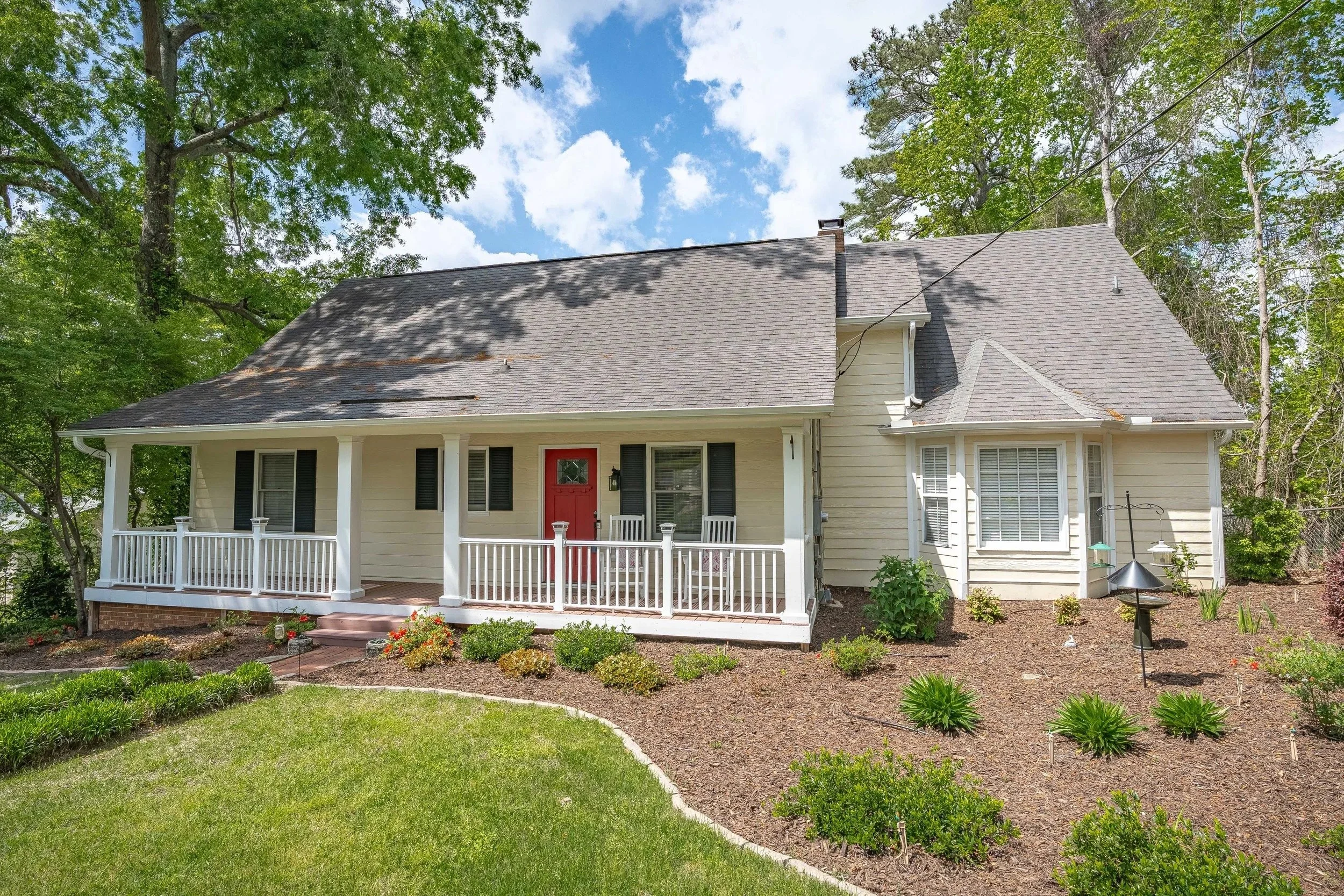
See how The Patrick O'Connor Team sold a Lake Murray home: 105 Steeplechase.
Ready to buy or sell? Call The Patrick O'Connor Team at 803-243-0224.