
Commute from Lake Murray to Columbia SC: What to Expect
The commute from Lake Murray to Columbia SC typically falls between 15 and 45 minutes, depending on your starting point and when you leave. Irmo's eastern neighborhoods land on the shorter end of that range; Chapin and Gilbert push toward the longer end, especially once morning rush hour builds on I-26. That's the honest answer up front, and the rest of this article fills in the details: concrete drive times by community, the routes that actually work, what public transit and biking can realistically offer, current infrastructure issues affecting travel, and practical ways to cut minutes off the daily trip.
If you're weighing a move to Lake Murray, the commute is one of the most important variables to get right. The lake lifestyle is real, but it has to fit your work schedule.
Key takeaways
Irmo is the closest: Eastern Irmo neighborhoods sit roughly 12 to 15 miles from downtown, with off-peak drives of 15 to 20 minutes and rush-hour trips of 25 to 35 minutes.
Chapin takes longer: North-shore communities average 35 to 50 minutes during morning rush hour, with the SC-6 to I-26 corridor as the primary route.
I-26 is the main artery: The worst bottlenecks concentrate between Exit 101 (Broad River Road) and Exit 108 (I-126/US-76 junction).
Transit is limited outside Irmo: The COMET serves the Harbison/St. Andrews corridor; Chapin, Ballentine, and the north shore have little to no fixed-route service.
The greenway is progressing: The Dreher Shoals Landing trail opened in August 2026, but a full dam-to-downtown bikeable route won't be complete before roughly 2029.
Departure timing matters most: Leaving before 7:00 a.m. consistently beats the I-26 peak; waiting until 8:00 to 8:30 a.m. puts you in the thickest congestion.
Driving the commute from Lake Murray to Columbia SC: times by community
Drive time varies significantly across the lake's different shores, and understanding those differences before you buy can save you from a commute you didn't anticipate. The table below gives an honest comparison across the four major community areas. Distances and times are approximate estimates based on representative origin points within each community and a downtown Columbia destination; figures reflect typical conditions and should be verified with current mapping tools for your specific address.
Community: Central Irmo (via I-26/I-126). Distance to downtown Columbia: 12–15 miles. Off-peak drive time: 15–20 minutes. Rush-hour drive time: 25–35 minutes.
Community: South-central Irmo / Lake Murray Blvd. Distance to downtown Columbia: 15–20 miles. Off-peak drive time: 20–25 minutes. Rush-hour drive time: 30–40 minutes.
Community: Ballentine. Distance to downtown Columbia: 18–22 miles. Off-peak drive time: 22–30 minutes. Rush-hour drive time: 30–42 minutes.
Community: Chapin / north shore. Distance to downtown Columbia: 20–25 miles. Off-peak drive time: 25–35 minutes. Rush-hour drive time: 35–50 minutes.
Community: Lexington / south shore. Distance to downtown Columbia: 15–20 miles. Off-peak drive time: 20–25 minutes. Rush-hour drive time: 30–40 minutes.
Community: Gilbert / southwest shore. Distance to downtown Columbia: 25–30 miles. Off-peak drive time: 35–50 minutes. Rush-hour drive time: 45–60+ minutes.
Irmo
Irmo is the closest major Lake Murray community to Columbia. Lake Murray Boulevard and Broad River Road feed I-26 quickly, which is why buyers who commute to large downtown employers, the State of South Carolina, Prisma Health Midlands, the University of South Carolina, or BlueCross BlueShield of South Carolina, consistently look here first.
Chapin
Chapin adds distance and complexity, with SC-6 connecting to I-26 east as the primary path. That route works well until congestion builds near Columbia, so the 35-to-50-minute rush-hour range is realistic and not a worst-case outlier.
Lexington and the south shore
Lexington commuters benefit from US-378 feeding into I-20 or US-1. The route is mostly flat and uncomplicated, though approaches into West Columbia slow during peak periods.
Gilbert
Gilbert is the honest outlier. It offers the quietest, most rural stretch of Lake Murray, but the drive from Lake Murray to Columbia is the longest of any major community.
Which routes work best, and where does traffic pile up?
I-26 handles the heaviest commuter volume on the Lake Murray to Columbia SC corridor, and its recurring bottlenecks are predictable enough to plan around. The worst congestion builds between Exit 101 (Broad River Road/US-176) and Exit 108 (the I-126/US-76 junction). The I-26/I-126/US-76 interchange is the most consistently slow segment, and a single incident anywhere between those exits can create substantial delays, in some cases adding anywhere from tens of minutes to considerably longer, depending on severity. Commuters who enter I-26 before 7:00 a.m. typically clear this zone before the worst of it sets in. SCDOT identifies the peak AM hour on this corridor as centered around 8:00 a.m., so that's the window to avoid when possible.
SC-6 is the primary surface road for Chapin and north-shore communities, connecting to I-26 at Exit 136. Its chokepoints are mostly signalized intersections through Chapin and the approach to I-26, not long freeway gridlock. US-76 and US-378 serve Lexington and south-shore commuters heading toward I-20 or US-1 into West Columbia. These surface routes become more valuable when I-26 has an incident backup, though they typically add 5 to 10 minutes under normal conditions. Knowing at least one alternate before you need it is worth the planning effort.
Does public transit connect Lake Murray to Columbia?
The COMET, the regional transit system, serves the Irmo and Harbison corridor with Route 83L (St. Andrews Local) connecting to Route 801 (Broad River) into downtown Columbia. A one-transfer trip from the Harbison area to downtown generally runs 30 to 60 minutes depending on wait times and starting point. Check The COMET's current trip planner for exact times, since service hours and frequency have changed in recent years. For commuters who live near the served stops and have schedule flexibility, transit is a workable option.
The honest limitation is geographic: Chapin, Ballentine, most of the north shore, and Gilbert have little to no fixed-route service. The former 93X express to Ballentine and Chapin was discontinued in 2022, leaving those communities without a direct transit connection to Columbia. For commuters in transit-limited areas, the most practical hybrid approach is driving to the Harbison or Dutch Square transit center and connecting by bus into downtown. It reduces parking costs and cuts some driving stress during peak hours.
Can you bike or walk from Lake Murray to Columbia?
The biggest recent development for non-motorized travel is the Dreher Shoals Landing project, which opened in August 2026 with approximately 2.5 miles of paved trail and boardwalk connecting the Lake Murray Dam area to Saluda Shoals Park. This gives walkers, joggers, and cyclists a scenic, car-free route along the Saluda River from the dam toward Columbia's western edge. It's a genuine recreational asset and a meaningful first step toward the larger vision.
The full dam-to-downtown connection, however, remains a work in progress. The critical unfinished segments run from Saluda Shoals Park to Gardendale Landing, then from Gardendale to the existing Saluda Riverwalk near Riverbanks Zoo. From there, a planned pedestrian bridge would connect the riverwalk to Columbia's Canal and Riverfront Park. The Gardendale-to-Riverbanks gap is tied to the Carolina Crossroads interstate project, with a realistic timeline around 2029. Worth noting for anyone planning trips near the dam: the Lake Murray Dam walkway itself remains partially closed through at least the end of 2026 due to structural repairs, with no confirmed reopening date yet announced (per reporting from the Lexington County Chronicle and The State). For now, the greenway is a strong recreational resource but not a practical daily commuter route.
Tips to shorten your commute from Lake Murray to Columbia SC
The single most effective way to control drive time is departure timing. Leaving Irmo or Chapin before 7:00 a.m. typically clears the I-26 bottleneck before it peaks; waiting until 8:00 to 8:30 a.m. puts you in the middle of the worst congestion window. For Chapin commuters heading to an 8:00 a.m. start at USC or Prisma Health Richland, leaving around 6:30 to 6:45 a.m. is a reasonable target. The same logic applies on the return trip: leaving Columbia before 4:30 p.m. or after 6:00 p.m. cuts 10 to 20 minutes off the commute home. SCDOT's 511 system and real-time traffic apps both provide I-26 alerts worth checking before you leave.
Hybrid work has changed the math significantly for Lake Murray buyers. Approximately 11.9% of Lexington County workers worked from home in 2026, according to CommuteShift commute data, and that number doesn't capture the full picture of hybrid arrangements. A commuter who drives to Columbia three days a week instead of five experiences the daily trip very differently, and the lake lifestyle gains considerably more value when you're spending more time at home. Gilbert or Chapin becomes far more practical when two or three days a week are remote workdays. Many buyers exploring the lake area factor hybrid schedules directly into how far out they're willing to go, it's one of the first questions worth asking yourself before you start touring homes.
How the Patrick O'Connor Team helps you find the right community
Choosing where to live near Lake Murray is both a lifestyle decision and a commute decision, and the two need to work together. The Patrick O'Connor Team works across Lake Murray communities including Irmo, Chapin, Lexington, and Gilbert. The Patrick O'Connor Team has over 12 years of Midlands market experience and has helped more than 1,600 families across the Greater Columbia area.
For relocating buyers especially, knowing that Irmo's Lake Murray Boulevard exit puts you on I-26 in minutes, or that Chapin's SC-6 corridor works well with a pre-7:00 a.m. departure for a downtown Columbia employer, can make the difference between a purchase you're thrilled with and one you second-guess every workday.
If you're ready to get a clearer picture of what the commute from Lake Murray to Columbia SC would actually look like for your specific situation, reach out to our team to start with a real conversation before you choose a neighborhood. We're here to help you find a home that works for your life, not just on weekends.
Frequently Asked Questions
Is the commute from Lake Murray to Columbia SC realistic for someone who needs to be in downtown every business day?
Yes, the commute is realistic for daily commuters, but it depends on where you live and what time you leave. Typical drives range from about 15 to 45 minutes depending on starting point and departure time, and leaving before 7:00 a.m. consistently avoids the worst I-26 peak centered around 8:00 a.m.; hybrid work also changes the calculation for many buyers, with roughly 11.9% of Lexington County workers working from home in 2026.
Which Lake Murray communities give the shortest morning drive into downtown Columbia?
Irmo's eastern neighborhoods give the shortest morning drive into downtown Columbia. Eastern Irmo sites sit roughly 12 to 15 miles from downtown with off-peak drives of 15 to 20 minutes and rush-hour trips typically in the 25 to 35 minute range.
If we cannot shift our work hours, which Lake Murray areas should we be most cautious about regarding commute length and variability?
We recommend caution with Gilbert and Chapin if you cannot shift your work hours, because they push toward the longest and most variable commutes. Gilbert distances run about 25 to 30 miles with rush-hour drives commonly 45 to 60+ minutes, while Chapin and the north shore average 35 to 50 minutes during morning rush hour and rely on SC-6 feeding I-26.
Are there practical alternatives to driving every day from transit-limited parts of Lake Murray?
Yes, a practical alternative is to drive to a served transit hub and connect by bus rather than expect fixed-route service from every community. Chapin, Ballentine, the north shore, and Gilbert have little to no fixed-route service, so many commuters drive to the Harbison or Dutch Square transit center to catch a COMET connection into downtown and reduce some driving stress and parking costs.
Local example
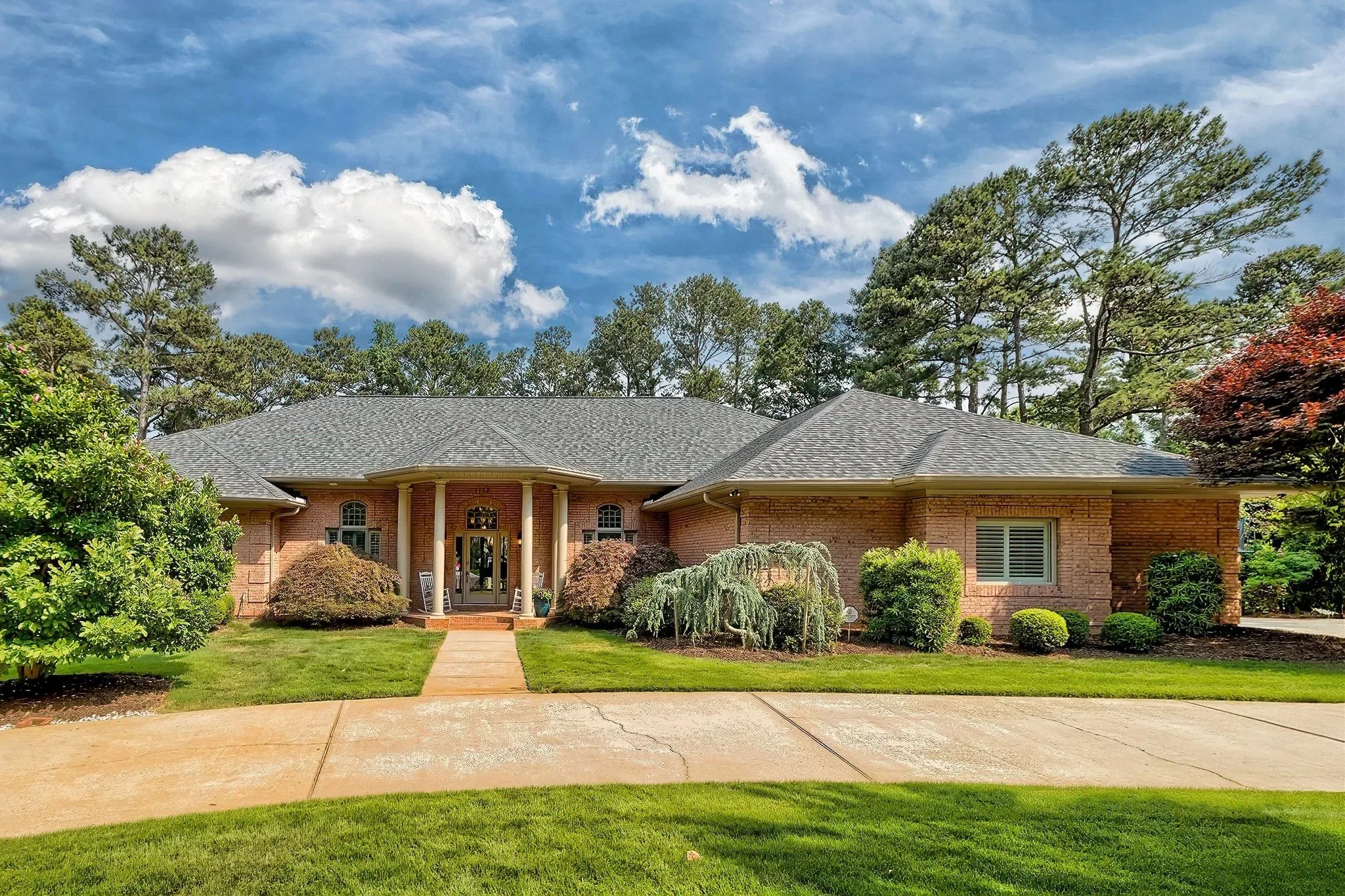
See how The Patrick O'Connor Team sold a Lake Murray area home: 1112 Morning Shore Drive, Lexington SC.
Ready to buy or sell? Call The Patrick O'Connor Team at 803-243-0224.