Septic Systems on Lake Murray Properties: Buyer's Guide
Septic systems on Lake Murray properties follow rules that catch many buyers off guard. Many Lake Murray waterfront properties rely on private onsite wastewater systems where public sewer is unavailable, and those systems are regulated by the South Carolina Department of Environmental Services (SCDES), not the county. A primary and often-controlling constraint on any lakefront lot is the drain-field setback from the shoreline: South Carolina Regulation 61-56 establishes a 75-foot minimum setback from the mean high-water elevation of any lake or impounded body of water, and Lexington County zoning guidance commonly cites a 100-foot setback for Lake Murray specifically. Buyers who skip the septic due-diligence step are taking on one of the most expensive and legally complicated surprises in waterfront real estate.
This guide explains how private sewage disposal works on Lake Murray properties, what to inspect, what common problems look like, what repairs or replacements cost, and how a system's condition affects your financing and negotiating position. We walk our buyers through every one of these questions before a contract is signed, and this guide gives you the same framework we use.
Key takeaways
Shoreline setback is controlling: South Carolina Regulation 61-56 sets a 75-foot minimum from the lake's mean high-water elevation; Lexington County guidance and SCDES practice commonly apply a 100-foot setback for Lake Murray drain fields.
Permits live at SCDES: All septic permits are issued by SCDES through its ePermitting portal, not the county. Request the complete permit file before making an offer.
Disclosure is not an inspection: A seller's disclosure reports what the seller knows; only an independent professional inspection evaluates actual system condition.
Failed systems block FHA and VA loans: Lenders require a functional, adequately sized system as a condition of financing; an unpermitted or failed system can kill a deal.
Waterfront expertise matters: An agent who knows which Lake Murray lots face setback problems, which disclosures warrant deeper records pulls, and how to write a solid septic contingency can materially reduce buyer risk and unexpected costs.
Septic Systems on Lake Murray Properties: How They Work on a Waterfront Lot
A residential septic system has two primary components: a tank that separates solids from liquids, and a drain field that disperses treated effluent into the soil for final absorption. On a standard residential lot, siting the drain field is relatively straightforward. On a Lake Murray waterfront lot, the geometry changes dramatically.
The setback requirement means the drain field must be placed well back from the water's edge, measured from the lake's normal-pool elevation, not from wherever the visible waterline happens to fall on inspection day. Dominion Energy's project boundary can impose additional limits on grading and land use near the shoreline. A lakefront lot must also accommodate a designated repair area outside the setback in case the primary field fails; this dual-footprint requirement eliminates many older or smaller lots from conventional system eligibility.
Why the setback matters more than most buyers realize
On a narrow waterfront lot, the setback can eliminate most of the buildable land for a drain field, forcing the property into alternative or engineered system territory. A prior system approval, or a neighboring property's approval, does not guarantee that a replacement system will meet current SCDES standards, because site conditions, bedroom counts, and regulatory requirements may have changed since the original permit was issued. Buyers should treat the setback as a hard constraint to verify against the actual parcel dimensions before falling in love with a property.
Other setbacks that stack up on a lake lot
The standard residential setbacks under Regulation 61-56 include 50 feet from a private well, 25 feet from streams and tributaries, and 10 feet from property lines and structures. Lexington County's land-development rules add a 50-foot shoreline buffer for lakes, meaning a buyer may need to satisfy both the SCDES septic setback and the county's shoreline-development requirement simultaneously. Properties in Newberry, Saluda, and Richland County follow the same SCDES standards but may have different local zoning overlays, so confirm the applicable rules for the specific parcel.
Septic Systems on Lake Murray Properties: Permits and Records to Pull Before Making an Offer
SCDES issues all septic permits through its ePermitting portal (see the SCDES Permits & Licenses / Septic Tanks, Residential page for lookup instructions). The permit file includes the original D-1740 application, soil and site evaluation, approved system layout, as-built drawing, and inspection history. Request the complete file before you write an offer. When contacting SCDES, use specific language: "Please provide all public records for the onsite wastewater system serving [address], parcel [number], including permits, site evaluations, as-built drawings, final approvals, inspections, repairs, and abandonment records."
If no online record appears, submit a public-records request to SCDES directly. Third-party record-search services can supplement the official record search but should not substitute for it. Also check the county assessor, building department, and deed records, since property deeds and construction plans may identify a system even when the environmental agency has no readily searchable file.
Red flags when records are missing or incomplete
When a permit cannot be found, the system may have been installed without SCDES approval, may predate the state permitting system, or records may have been lost. Older or pre-digital systems often have incomplete digital records. In any of these cases, commission an independent site evaluation before proceeding, because financing a home with an unpermitted or unknown septic system creates serious lender and resale complications.
Septic Systems on Lake Murray Properties: What a Proper Inspection Looks Like
A professional septic inspection evaluates the system's actual current condition. It is neither a permit certification nor a substitute for pulling the SCDES permit file. The seller's disclosure reports what the seller knows; the inspection evaluates what is actually there.
Include a septic inspection contingency in your contract with language covering access, cost allocation for any required repairs, and the right to renegotiate or terminate if the inspection reveals significant defects. A qualified inspector will evaluate tank structural integrity, baffle and lid condition, inlet and outlet components, drain-field surface observations, signs of surfacing effluent, pump and alarm function for aerobic or pressure systems, and the system's proximity to the lake and any wells on the property. The inspector should also verify that the permitted capacity matches the home's current bedroom count, since unpermitted additions can push a system over its approved load.
South Carolina's residential property disclosure statement requires sellers to identify whether the property uses a septic system and to disclose known defects, past failures, repairs, and the availability of permits and maintenance records. Sellers should provide pump-out records, repair receipts, and the SCDES permit. A disclosure does not equal a current inspection, and buyers should not treat it as one.
Common problems and contamination risks at Lake Murray
Lakefront lots carry a higher risk of drain-field problems than standard residential lots. Shallow soils, proximity to the water table, and seasonal lake level fluctuations can reduce the soil's ability to treat effluent properly. The most frequent failure points are drain-field saturation on high-water-table lots, tank backups from infrequent pumping, cracked or shifted tanks, root intrusion in distribution lines, and aerobic system component failures.
The documented pattern of municipal sewer overflows near Chapin between 2022 and 2025 illustrates how vulnerable wastewater infrastructure can be in this environment. State records identified at least 35 overflows in the town system during this period, according to reporting in The State. The incidents ranged from a 2022 force-main break releasing approximately 2,000 gallons to a December 2023 manhole overflow of approximately 96,000 gallons. State records attributed these incidents to heavy rainfall, stormwater infiltration, aging infrastructure, and pump station failures, according to that same reporting. These were not private septic failures, but they underscore how proximity to the lake amplifies the consequences of any wastewater system problem.
A private system that discharges inadequately treated effluent within the shoreline setback is not just an environmental violation, it exposes the seller to SCDES enforcement and potential liability. Buyers should factor this risk into their due diligence, particularly for older properties where the drain field's location relative to the lake has never been formally confirmed.
What septic repair or replacement costs in the Lake Murray area
Actual costs depend on soil conditions, system size, access constraints, and county location.
Waterfront septic work carries a premium over standard residential estimates. Sloped topography, limited equipment access, and setback-driven siting challenges all add cost. If the site fails a conventional soil evaluation, SCDES may require an engineered alternative system with a longer permitting timeline. Request itemized bids that separate soil evaluation, system design, permit fees, tank, distribution equipment, field construction, and restoration, and confirm whether the estimate includes rock excavation, driveway repair, or tree removal.
How septic status affects financing, value, and your next steps
A septic system in poor condition, whether it has missing permits or is sized below the home's current bedroom count, creates immediate complications for buyers using FHA or VA financing. Both loan programs require the system to be functional, adequately sized, and free from health and safety defects at the time of appraisal. A failed system typically means the appraisal is conditioned on repair or replacement, and the lender will not close until the problem is corrected and re-inspected.
Conventional loans are more flexible, but lenders still flag apparent defects observed by the appraiser or reported by any party to the transaction. An unpermitted system raises questions about whether it legally serves the home, whether it was designed for the home's bedroom count, and whether it can be insured or resold. Order the septic inspection early in the due-diligence period so that any required repairs can be negotiated, completed, and re-inspected before the loan commitment deadline.
How an experienced Lake Murray buyer's agent catches septic concerns early
Knowing which Lake Murray neighborhoods and subdivisions are more likely to have aging or undersized systems, which lots are too narrow to accommodate a replacement field under current setback requirements, and which sellers' disclosures warrant a deeper records pull is knowledge that comes from years of waterfront transaction experience. The Patrick O'Connor Team at Coldwell Banker Realty routinely guides buyers through the SCDES records request, contractor vetting, and septic contingency language before a single dollar of earnest money changes hands.
Ready to move forward? Start with the records.
Septic systems on Lake Murray properties are not a back-burner detail, they are a foundational part of what you are buying. The shoreline setback requirements under South Carolina law, the SCDES permitting process, the county-specific rules across Lexington, Newberry, Saluda, and Richland County, and the real cost of a drain-field replacement all need to be understood before you close.
Pull the permit file from SCDES. Commission an independent inspection. Write a contingency that gives you room to negotiate or walk away. Get itemized cost estimates before you are emotionally committed to a property. Each step protects your earnest money, your financing timeline, and your long-term experience on the lake.
If you are buying or selling on Lake Murray and want guidance on septic systems on Lake Murray properties from a team experienced in these exact due-diligence steps, reach out to The Patrick O'Connor Team at Coldwell Banker Realty.
Frequently Asked Questions
How do we request the complete SCDES permit file for a Lake Murray property?
Request the complete SCDES permit file directly from SCDES using specific public-records language; for example, ask: "Please provide all public records for the onsite wastewater system serving [address], parcel [number], including permits, site evaluations, as-built drawings, final approvals, inspections, repairs, and abandonment records." If no online record appears, submit a formal public-records request to SCDES and supplement with county assessor, building department, and deed records as needed.
Does an older or neighboring property's septic approval guarantee a replacement system will meet current SCDES standards?
No, a prior or neighboring approval does not guarantee a replacement system will meet current standards. Site conditions, bedroom counts, and regulatory requirements may have changed since the original permit, so verify the current permit file and commission a site evaluation before proceeding.
Can we rely on the seller's disclosure in place of a professional septic inspection?
No, the seller's disclosure is not a substitute for an independent professional inspection. The disclosure only reports what the seller knows, whereas a qualified inspector evaluates the system's actual condition, capacity, and any operational defects.
How will a failed or unpermitted septic system affect our FHA or VA loan approval?
A failed or unpermitted septic system can prevent FHA and VA loans from closing because lenders require a functional, adequately sized system free of health and safety defects at appraisal. A failed system typically conditions the appraisal on repair or replacement, and the lender will not close until the problem is corrected and re-inspected.
Local example
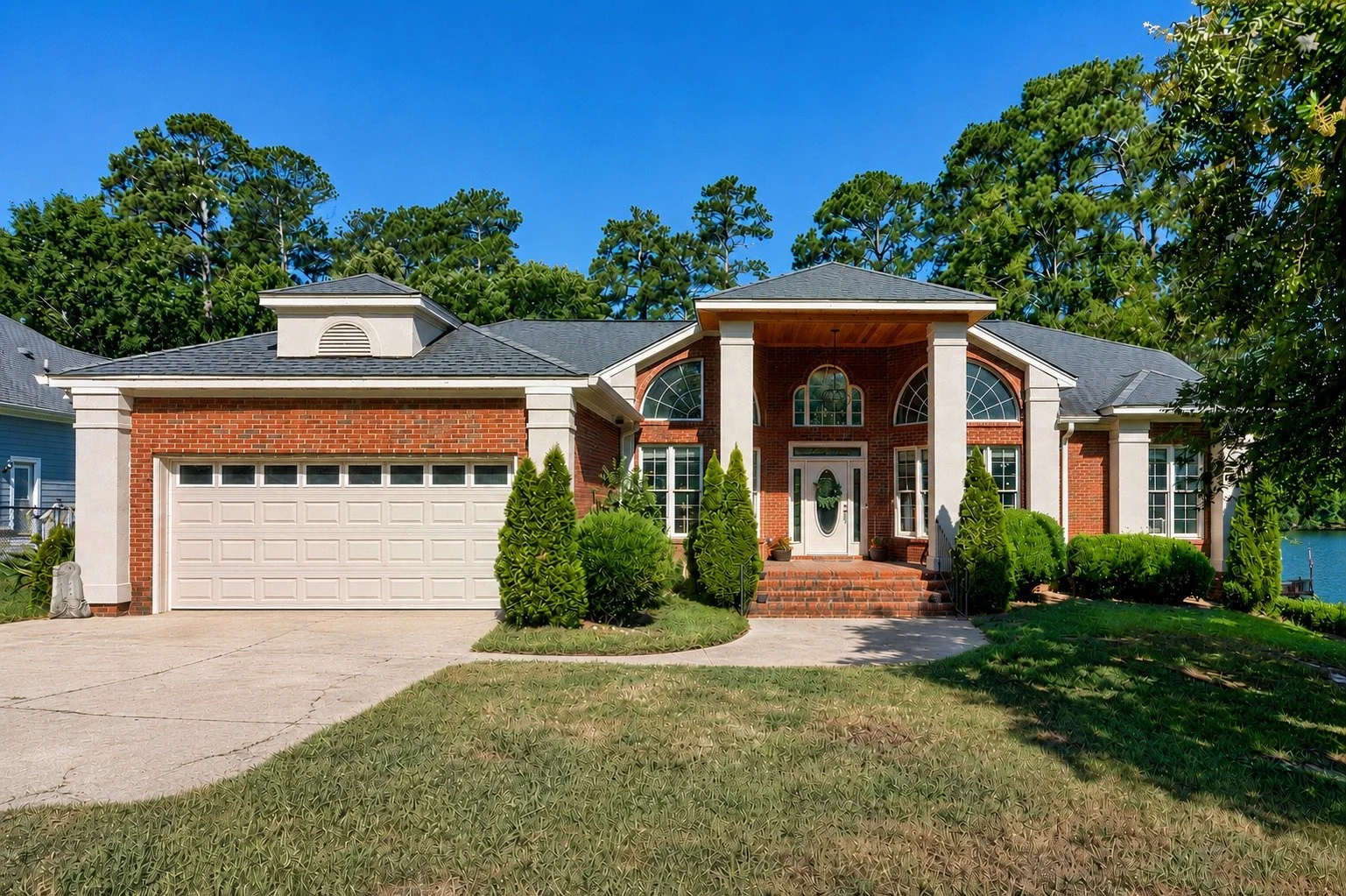
See how The Patrick O'Connor Team sold a Lake Murray home: 146 Metts Road.
Ready to buy or sell? Call The Patrick O'Connor Team at 803-243-0224.