
Rip Rap and Shoreline Erosion: What Lake Murray Sellers Should Fix Before Listing
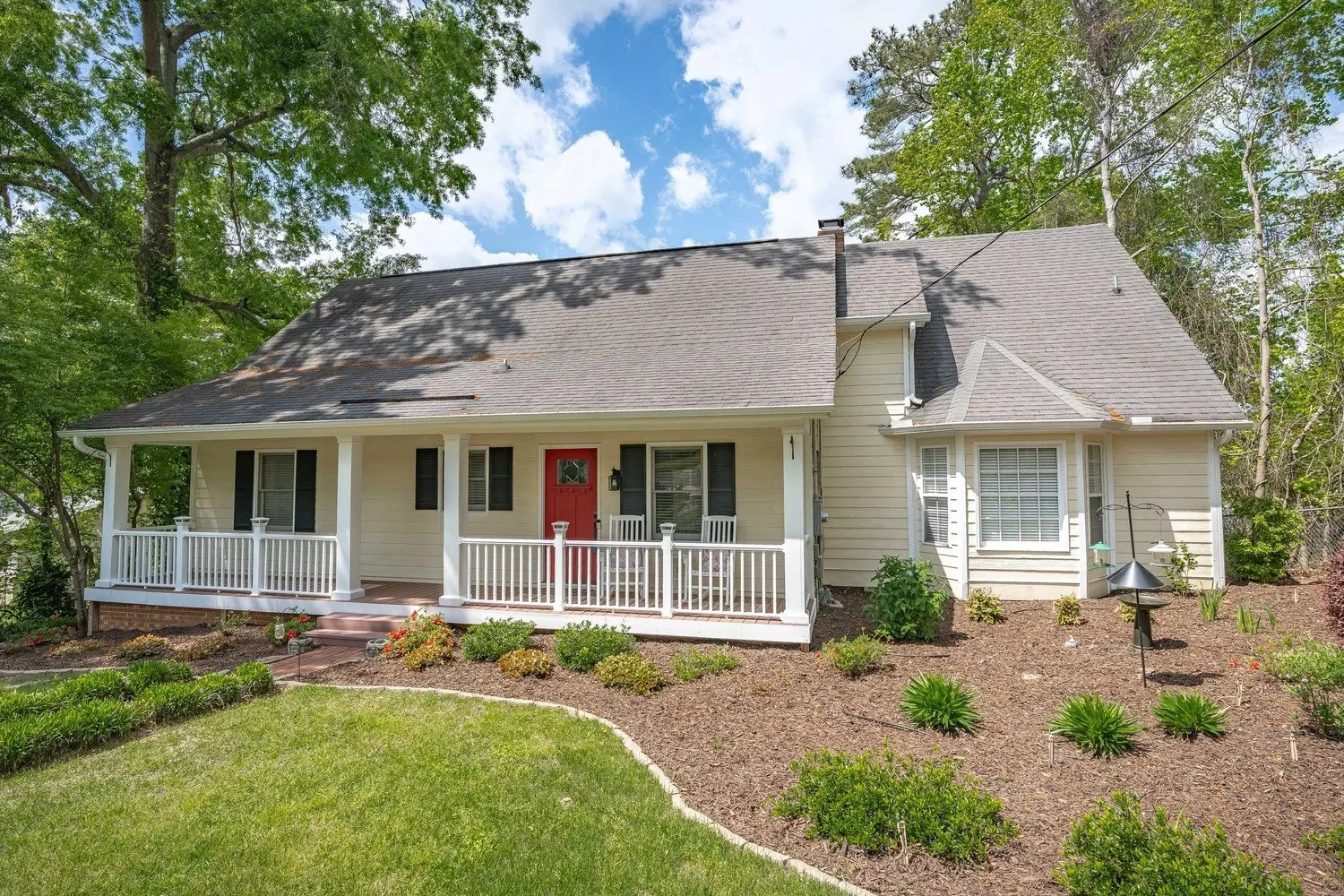
Rip rap and shoreline erosion, what Lake Murray sellers should fix before listing, are among the first things a waterfront buyer notices, and among the last things a seller thinks to check. Sellers who address these issues before listing protect their sale price, avoid last-minute buyer renegotiations, and walk to closing with confidence. By the time a buyer's inspector flags toe scour or displaced stone, the seller has lost the high ground: every repair conversation now happens under deadline and under pressure. This article covers how to spot problems, which repairs to prioritize, what Dominion Energy requires, ballpark costs, and how to disclose everything cleanly.
Before any Lake Murray listing goes to market, we at The Patrick O'Connor Team at Coldwell Banker Realty work with sellers to identify shoreline issues that buyers and inspectors will find regardless. Catching problems early, when sellers still have time to get contractor bids and start the permitting process on their own terms, is a fundamentally different position than discovering those same issues on an inspection report.
Key takeaways
Inspect before you list: Walk your full shoreline at water's edge and look for displaced stone, toe scour, exposed filter fabric, and flanking erosion before buyers see it first.
Active erosion must be addressed: Structural and stability failures require repair before listing; cosmetic wear may be disclosed if timeline is tight.
Permits are required, always: Dominion Energy written approval is required before any riprap placement, repair, or replacement on Lake Murray. Contact them at 803-217-9221.
Document everything: Approval letters, contractor invoices, and completion photos protect sellers at closing and simplify buyer financing.
South Carolina disclosure is mandatory: The state's Residential Property Condition Disclosure Statement specifically asks about erosion and erosion-control structures.
What riprap is and why Lake Murray makes shoreline maintenance non-negotiable
Riprap (also written rip rap or rip-rap) is a layer of large, angular stones placed along a waterfront bank to absorb wave energy, prevent soil erosion, and stabilize the shoreline. It is widely used as bank stabilization on Lake Murray. Unlike seawalls and bulkheads, which are rigid structures, riprap functions as a flexible armor system that conforms to soil movement and water fluctuation. That flexibility makes it more forgiving in some ways, but stones can migrate, settle, or wash away gradually without obvious drama until the system is well into failure.
Lake Murray is a managed reservoir operated by Dominion Energy under a Federal Energy Regulatory Commission (FERC) license, meaning water levels rise and fall on a schedule rather than naturally. These seasonal fluctuations expose and re-saturate the bank repeatedly, stressing shoreline stabilization systems in ways that lakes with stable water levels simply don't experience. A bank that looks solid in summer may reveal significant erosion after a drawdown period. Sellers who haven't walked their shoreline recently are likely walking in blind.
How to spot failing riprap or active shoreline erosion before a buyer's inspector does
Walk the full length of your shoreline at water's edge and look for specific warning signs. Displaced or missing stones that have slid downslope or washed away are the most obvious signal. Visible gaps between the stone layer and the bank, known as toe scour or undermining, indicate the structure is being hollowed out from beneath. Also look for sections of slope that have flattened, slumped, or settled unevenly. Watch also for exposed geotextile filter fabric showing through the rock and erosion "flanking" the edges of the riprap where water is bypassing the protection entirely. These are signs the system is failing, not just aging.
Some conditions go beyond normal wear and require immediate professional evaluation. Bare soil scarps or tension cracks at the top of the bank, exposed tree roots or leaning vegetation, sinkholes or voids behind the stone layer, and any evidence the erosion has moved within range of a structure, septic system, or utility line all require urgent attention. At that stage, waterfront property maintenance is no longer a cosmetic concern: it is a material condition that affects value, disclosures, and insurability. A buyer's inspector will flag every one of these items, and your negotiating position drops accordingly.
Which shoreline repairs are worth fixing before you list, and what they cost
Not every imperfection needs to be corrected before listing, but active erosion, failed riprap, and unstable banks almost always do. The prioritization logic is straightforward: repairs that affect structural integrity or bank stability come first. Cosmetic thinning of the stone layer or minor displacement can sometimes be disclosed rather than fixed if the timeline is very tight, but active conditions cannot simply be noted on a form and left open. A seller who can show a completed, documented repair is in a fundamentally different negotiating position than one presenting an unresolved problem.
Temporary stabilization measures
For sellers who cannot complete permanent repairs before listing, temporary stabilization measures are legitimate tools with real limits. Erosion-control blankets anchored over bare soil, coir logs placed on contour at slope bases, and mulching over exposed areas can make a property show-ready while permits are processed. These measures control visible erosion but do not substitute for permanent bank stabilization. A temporary fix used honestly, with accurate disclosures, is a reasonable bridge. A temporary fix that conceals an active condition is liability.
Permitted permanent repairs and cost drivers
Mobilization charges, permitting fees, access conditions, and soil complexity all affect final cost, and small projects often carry disproportionately high per-foot costs because mobilization is a fixed expense regardless of project length.
Does shoreline stabilization or riprap repair on Lake Murray require a permit?
Yes, every time. Any riprap placement, repair, replacement, or addition on Lake Murray requires written Dominion Energy approval before work begins, including repairs to existing riprap. Lake Murray is managed under a FERC-approved Shoreline Management Plan, and Dominion Energy Lake Management is the primary permitting authority for residential shoreline work. Dominion administers this under a general permit issued by the U.S. Army Corps of Engineers and the South Carolina Department of Health and Environmental Control. The Lake Management contact number is 803-217-9221, and that is the first call a seller should make before hiring any contractor.
The key restrictions are worth knowing before you sign anything. Riprap below the 360-foot contour must be placed against the existing erosion scarp (the exposed cutbank face). Concrete blocks, bricks, and general building materials are not permitted as riprap below that line. All materials require prior Dominion approval. Permits cover a maximum of 500 linear feet per year. Seawalls and retaining walls below the 360-foot contour are generally prohibited. Projects in navigable waters may also require separate Corps and DHEC authorizations, so the approval chain can involve more than one agency.
Permit documentation matters at closing. A seller with a Dominion approval letter, contractor records, and completion photos in hand before listing removes a significant point of friction. Buyers and their lenders will ask about permits. Unpermitted work can trigger removal orders, delays, or renegotiation. Undisclosed unpermitted work can follow a seller past closing in ways far more costly than the original repair.
How riprap and shoreline stabilization affect value and what appraisers say
Most Lake Murray buyers, especially those relocating from higher-cost states, evaluate the shoreline with the same scrutiny they give the kitchen and the roof. A clean, stable, well-armored bank signals that the property has been maintained. Failing riprap or visible shoreline erosion does the opposite: it raises questions about what else hasn't been addressed, creates negotiation leverage for buyers, and sometimes blocks financing altogether when appraisers or lenders flag it as a material condition.
Appraisers who specialize in waterfront property consider shoreline condition as part of the overall site assessment. A properly installed and permitted riprap system supports the property's usability and long-term value. Deferred maintenance, erosion damage, or unpermitted work can result in a lower appraised value or required repairs as a loan condition. Buyers may also discount the home not just by the visible repair cost but by the repair cost plus a risk premium covering permits, engineering, access, and future maintenance. That math rarely favors the seller. Stable and documented shoreline protection keeps the appraiser's adjustment small and the buyer's room to negotiate even smaller.
What to document and disclose before your listing goes live
South Carolina's Residential Property Condition Disclosure Statement specifically asks whether erosion or erosion-control structures affect the property. A "Yes" answer requires a general description of the structure's material, location, and approximate size. Known damage, repair history, and unpermitted work should be described, not concealed. Sellers can attach contractor records, inspection reports, or engineer letters to the form. Failure to disclose known material conditions creates contract and liability risk that follows a seller past closing.
A clean disclosure file includes the Dominion Energy approval letter for any permitted shoreline work, contractor invoices, before-and-after photos, any engineer's report or inspection, and a clear written description of the current condition. Preparing this file before listing, rather than scrambling to assemble it under contract, is one of the most practical things a waterfront seller can do. Buyers who see organized documentation respond very differently from buyers who have to ask for it.
At The Patrick O'Connor Team at Coldwell Banker Realty, we specialize in Lake Murray waterfront sales and advise sellers on riprap condition, shoreline erosion concerns, dock conditions, and permit gaps that buyers and inspectors will find regardless. Getting in front of those issues early, when sellers still have time to get bids, start the Dominion Energy process, and prepare accurate disclosures, is far less painful than discovering them on an inspection report under a contract deadline.
Go to market with your shoreline on your side
Addressing rip rap and shoreline erosion is one of the most important steps Lake Murray sellers can take before listing. Ignoring them usually turns a manageable issue into a deal-threatening one. Sellers who inspect their shoreline early, complete or document needed repairs, obtain proper Dominion Energy permits, and disclose conditions accurately walk into negotiations with leverage instead of liability. The investment in shoreline stabilization before listing almost always returns more than it costs, in both buyer confidence and final sale price.
If you're preparing to sell a Lake Murray waterfront home and aren't sure what your shoreline says to buyers, reach out to The Patrick O'Connor Team at Coldwell Banker Realty. We work with sellers to catch what buyers and inspectors will find before the listing goes live, so you go to market in the strongest position possible.
Frequently asked questions about riprap and shoreline erosion for Lake Murray sellers
Do I need a permit to replace riprap on Lake Murray?
Yes. Any riprap placement, repair, or replacement on Lake Murray requires written approval from Dominion Energy Lake Management before work begins. This applies to new installations and repairs to existing stone. Call 803-217-9221 to start the process.
What are the signs that my riprap is failing?
Key warning signs include displaced or missing stones, visible toe scour or gaps beneath the stone layer, exposed geotextile filter fabric, sections of bank that have slumped or settled unevenly, and erosion flanking the edges of the riprap. Any of these conditions warrants a professional evaluation before listing.
Can I use temporary erosion control instead of fixing the riprap before I list?
Temporary measures such as erosion-control blankets and coir logs can stabilize bare soil while permits are processed, but they don't replace permanent bank stabilization. Used honestly and disclosed accurately, they are a reasonable bridge. Using them to conceal an active condition without disclosure creates liability.
How does shoreline erosion affect my home's appraised value?
Appraisers who work with waterfront property factor shoreline condition into their site assessments. Failing riprap, active erosion, or unpermitted work can reduce appraised value or trigger required repairs as a loan condition. Buyers may also apply a risk premium on top of the visible repair cost, which further narrows the seller's net proceeds.
What do I have to disclose about shoreline erosion in South Carolina?
South Carolina's Residential Property Condition Disclosure Statement asks directly whether erosion or erosion-control structures affect the property. Known damage, repair history, and unpermitted work must be described. Sellers can attach contractor records and inspection reports to the form. Failing to disclose known material conditions creates legal and financial risk that can extend past closing.
Local example
We sold 105 Steeple Chase Road in Lexington on Lake Murray, a lovingly maintained three-bedroom, three-bath home on a .55-acre lot with approximately 100 feet of water frontage, lake views, a multi-level deck and a composite boat dock with boat lift.
Ready to buy or sell? Call The Patrick O'Connor Team at 803-243-0224.