
Cost of Living: Lake Murray SC vs Columbia SC Compared
When comparing the cost of living, Lake Murray vs. Columbia SC shows a clear pattern: Lake Murray communities cost more across nearly every major expense category, but the gap varies significantly depending on how close to the water you go. For buyers and renters trying to make a real budget decision, the full picture is more nuanced than a single headline number.
This breakdown covers housing, taxes, utilities, commuting, and the lifestyle tradeoffs that explain the price premium.
Key takeaways
Taxes favor Lexington County: A Lexington County lake address usually produces a lower annual tax bill than a Columbia city address at the same purchase price, primarily because Columbia adds a municipal millage layer.
Utilities track home size, not just location: Energy and water costs aren't dramatically different by geography, but larger lake homes run materially higher bills than a Columbia townhouse.
The lifestyle premium is tangible: Lower density, larger lots, outdoor recreation, and consistently strong school districts are the reasons buyers pay more to live near the lake.
Cost of living: Lake Murray vs. Columbia SC, how do home prices and rent compare?
Median sale prices across three tiers of access
The Lake Murray market breaks into three meaningful pricing tiers: waterfront with private dock or direct shoreline access, lake-access or near-lake with shared amenities and community docks, and off-water lake-area homes.
Deep-water dock properties can add several hundred thousand dollars on top of that, particularly on the Lexington side where Redfin reports price-per-square-foot averages around $415 for waterfront homes versus roughly $158 for non-waterfront Columbia properties.
Lake Murray rent vs. Columbia rent: what each market looks like
For renters, the gap narrows but doesn't disappear. According to Realtor.com, Lake Murray apartments average roughly $1,573 for a one-bedroom and $1,851 for a two-bedroom, while Lexington-side Lake Murray rentals run slightly lower at around $1,370 and $1,435 respectively. Columbia's overall median rent sits near $1,600, with more affordable neighborhoods like Hyatt Park at roughly $1,325 and higher-demand areas like Earlewood reaching $2,100 or more, also per Realtor.com.
The practical takeaway: Lake Murray rents are competitive with mid-range Columbia, and you're often getting more square footage and lake proximity for a similar monthly outlay. The real cost separation happens in homeownership, where Lake Murray mortgage payments run significantly higher than those on comparable Columbia homes at current rates.
Cost of living: Lake Murray vs. Columbia SC, what do property taxes look like?
How county lines and municipal levies change your bill
Property tax is one area where Lake Murray communities hold a clear, consistent advantage over Columbia city addresses. South Carolina taxes owner-occupied legal residences at a 4% assessment ratio, and total millage determines your annual bill. According to the South Carolina Association of Counties, Lexington County's countywide base runs around 88.3 mills, while a Columbia city address adds 89.6 mills in municipal levy on top of the county, school district, and other applicable levies. That extra layer adds up fast on higher-value homes.
Estimated annual bills at a glance
A Columbia city address with a higher combined millage can push that figure considerably higher for a comparable property. The South Carolina Association of Counties reports Lexington County's median property tax bill at approximately $1,084 countywide, with Chapin-area properties averaging closer to $1,909 because of higher assessed values. Richland County, which covers part of the Lake Murray shoreline, runs a median closer to $1,610 according to Property Tax Almanac.
For buyers comparing the same purchase price, a Lexington County lake address will usually produce a lower annual tax bill than a Columbia city address. The key variable is whether the Columbia property falls within city limits, where the municipal millage applies, or in an unincorporated Richland County area, where the gap narrows considerably.
How do utilities, groceries, and healthcare costs differ day to day?
Utility costs and why lake homes can run higher
Columbia utility costs are fairly predictable. According to Apartments.com and AskDoss (a relocation data aggregator), a typical household spends around $146 to $175 per month on energy, with water and sewer adding roughly $119 per month in Richland County. Lake Murray homes often run higher on utilities because of larger square footage, summer air conditioning loads, and properties that rely on well and septic systems rather than municipal water and sewer. The difference isn't dramatic for a modest lake-area home, but a 3,500-square-foot lakefront property will outpace a Columbia townhouse by a wide margin during peak summer months.
Groceries and healthcare: where the gap closes
Grocery costs are roughly comparable between the two markets, with Columbia estimates running about $317 to $389 per month per person based on Apartments.com cost-of-living comparisons. Lake Murray communities in Lexington, Chapin, and Irmo have solid grocery options nearby, though rural lake addresses may require longer drives and fewer discount-store choices. Healthcare is the one category where Columbia holds a structural advantage: a higher concentration of hospitals, specialists, and urgent-care centers means less travel time and potentially lower out-of-pocket transportation costs for routine and specialty care alike. Monthly healthcare cost estimates for Columbia range from $216 to $445 per person per Apartments.com, and those figures apply broadly to the region regardless of whether you live in Columbia proper or a lake community.
What does the daily commute from Lake Murray actually cost?
Drive times to major Columbia employment centers
Most Lake Murray residents drive to work. Chapin area commute data puts the average commute at 37.3 minutes, with about 73.5% of residents driving alone. Commute times vary significantly by destination: Harbison and Columbiana are typically 10 to 20 minutes away, downtown Columbia and state government offices run 20 to 35 minutes in normal traffic, Fort Jackson falls at 25 to 40 minutes, and Chapin-side residents heading downtown can see 40 to 45 minutes at rush hour, according to commute resources from Phillip Jenkins Real Estate and Hub Real Estate Consulting. Public transit is not a realistic option for most Lake Murray communities, while Columbia offers the COMET bus system at around $2 per ride, making car-free commuting viable for some workers.
Monthly fuel and parking: what to budget
Downtown Columbia parking runs approximately $1 per half-hour with a $10 daily maximum according to Jeff Cook Real Estate, which adds up to as much as $220 per month for a five-day workweek without employer-provided parking.
Commuting is the single most underestimated line item in a Lake Murray household budget. Columbia residents who live near transit or their workplace avoid most of this expense entirely, and that difference compounds over years of ownership. Factor it in before you set your purchase price ceiling.
Cost of living: Lake Murray vs. Columbia SC, how do monthly budgets compare?
A side-by-side sample budget for each market
When all major cost categories are combined, the monthly household cost gap between a Lake Murray home and a comparable Columbia home is real but manageable for the right income.
What the gap actually reflects
Two additional line items deserve attention before finalizing your budget. Lake Life and insurance guides for the Chapin market.
What your budget actually unlocks on or near the lake
The math above is useful, but numbers on a spreadsheet don't capture what you're actually buying for the premium. Lake Murray communities offer lower density, larger lot sizes, outdoor recreation built into daily life, and school districts that consistently draw families from across the Midlands. For households weighing those tradeoffs, the real question isn't whether Lake Murray costs more, it's whether those added costs match the lifestyle you want.
If you're ready to move from spreadsheet to search, here's how we can help. The Patrick O'Connor Team at Coldwell Banker Realty offers market consultations designed to show buyers precisely what their budget unlocks on or near the lake, whether that's a non-waterfront Chapin home with community boat access, a Lexington-side lake-access property, or a true deep-water estate. We know what's available in your price range and the true cost of ownership beyond the purchase price. Reach out to our team to start that conversation.
The Lake Murray cost of living versus Columbia SC living expenses comes down to two things: housing and commuting. Columbia leads on affordability and transit access. Lake Murray leads on space, scenery, and a pace of life that's hard to put a number on. Understanding which fits your household income, your daily routine, and your definition of home is what the rest of the buying process is built around.
Frequently Asked Questions
Will my property tax bill likely be lower if I buy a Lake Murray home in Lexington County instead of a Columbia city address?
Yes, a Lexington County lake address will usually produce a lower annual tax bill than a Columbia city address at the same purchase price. South Carolina assesses owner-occupied residences at a 4% ratio and Columbia adds a municipal millage layer that Lexington County typically does not, so the municipal levy raises Columbia city bills relative to Lexington County.
Is public transit a realistic commuting option for most Lake Murray residents?
No, public transit is not a realistic option for most Lake Murray communities. Most Lake Murray residents drive to work, while Columbia offers the COMET bus system at around $2 per ride for people who can use transit.
How much longer might my commute be living in the Chapin/Lake Murray area compared with working in downtown Columbia?
You should expect commute times often in the 20 to 45 minute range depending on destination and traffic. Chapin-area averages run about 37.3 minutes, with trips to Harbison and Columbiana typically 10–20 minutes, downtown and state offices 20–35 minutes, Fort Jackson 25–40 minutes, and Chapin-side residents heading downtown potentially 40–45 minutes at rush hour.
If I rent near Lake Murray, will I generally get more space or lake access for the same monthly rent as in Columbia?
Yes, Lake Murray rents are competitive with mid-range Columbia and often get you more square footage and lake proximity for a similar monthly outlay. Realtor.com data shows Lake Murray one- and two-bedroom averages comparable to Columbia's median rent, and Lexington-side rentals run slightly lower, so renters frequently trade similar rent for extra space and lake access.
Local example
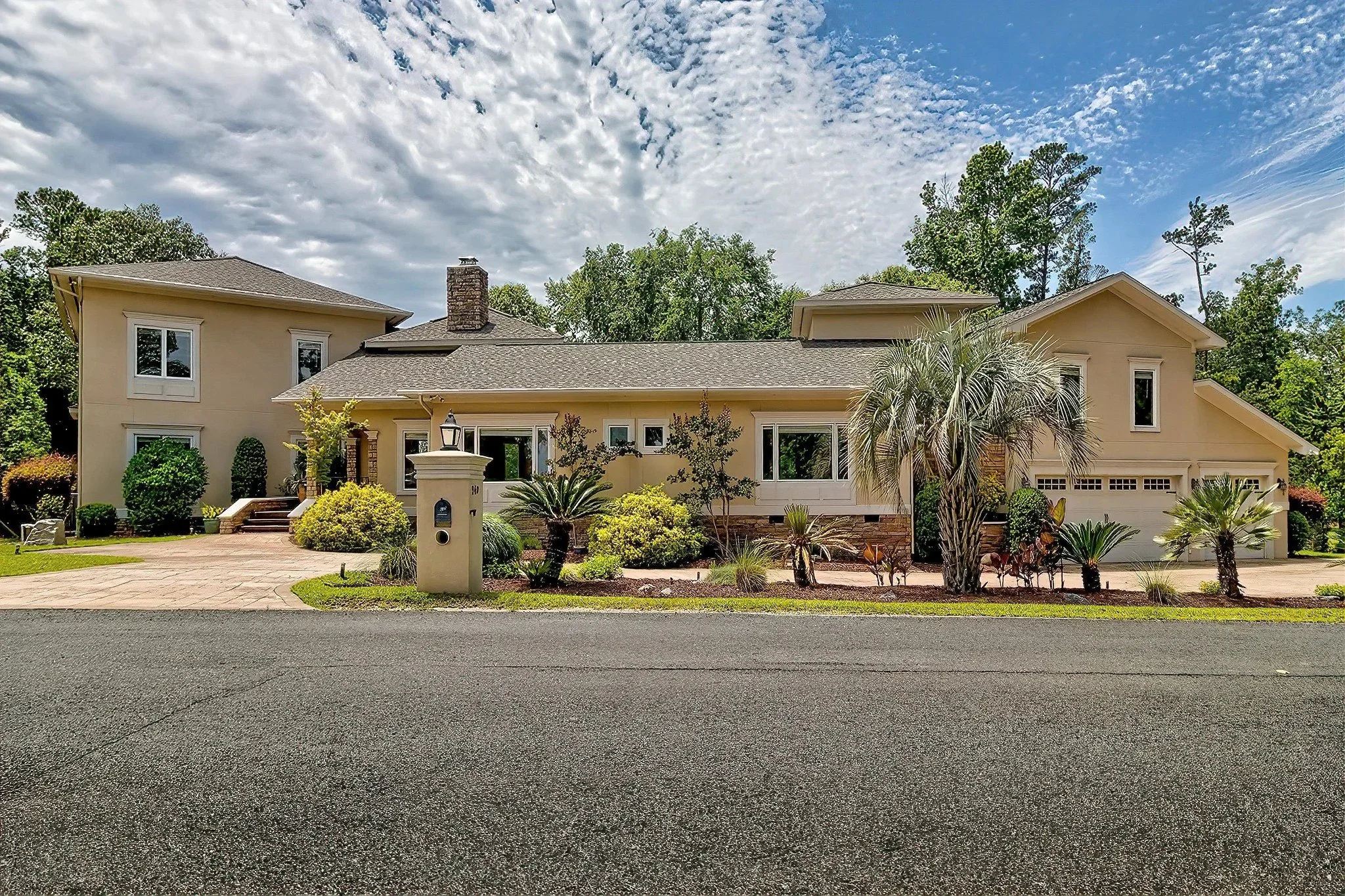
See how The Patrick O'Connor Team sold a Lake Murray home: 1909 Marina Road on Lake Murray.
Ready to buy or sell? Call The Patrick O'Connor Team at 803-243-0224.