
Selling a Home in Winter in Lexington SC: What to Know
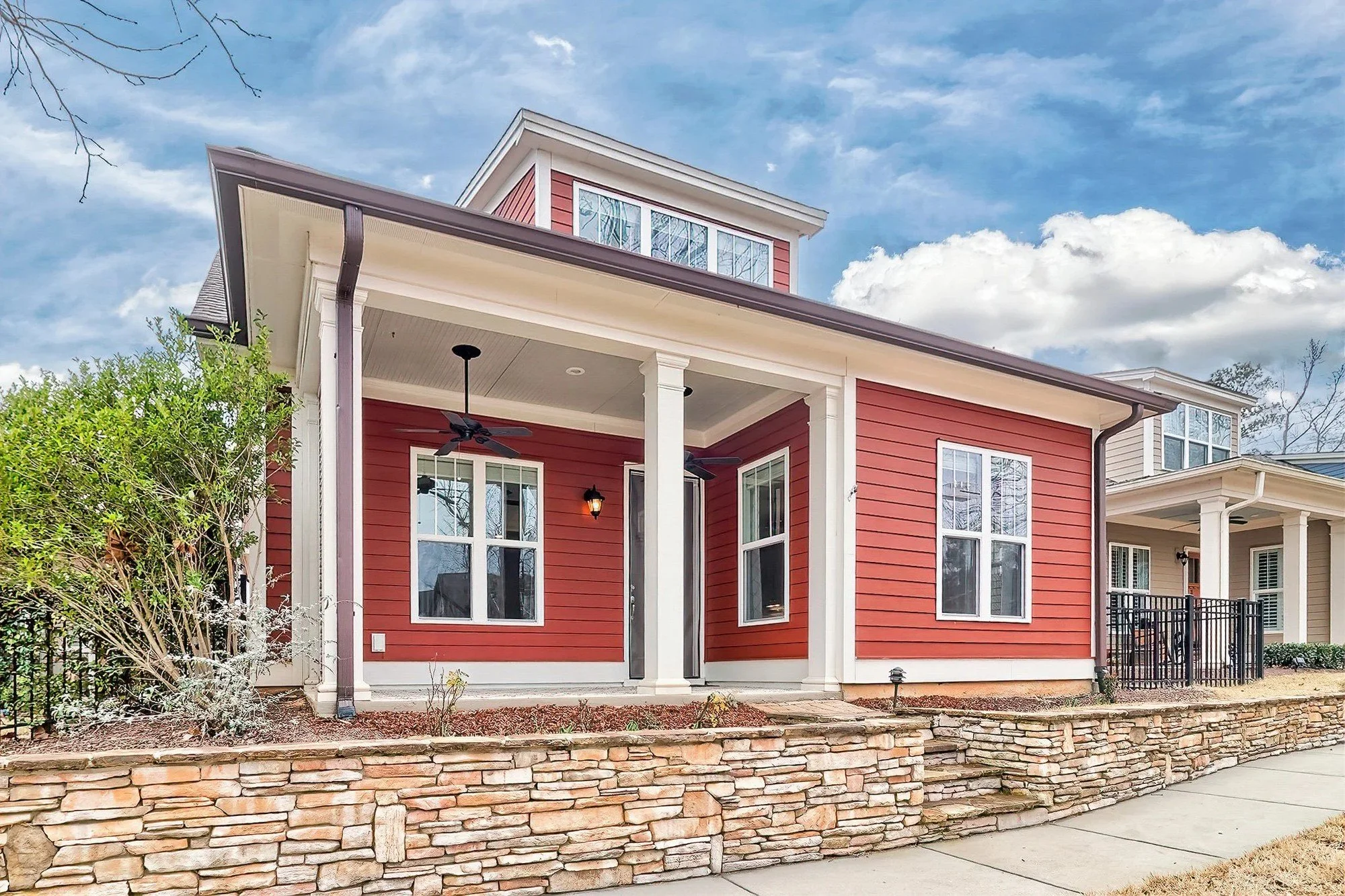
Selling a home in winter in Lexington, SC is not a compromise. It is a different market with a different kind of buyer, and for sellers who prepare well, it produces real results. Serious buyers remain active through December and January, inventory often falls during winter months, increasing relative visibility for active listings, and a well-marketed home can move faster than most sellers expect. This article covers buyer behavior, winter staging, curb appeal, South Carolina's closing rules, and how to keep your listing visible when the competition has decided to wait until spring.
Key Takeaways
Motivated buyers stay active: A disproportionate share of winter buyers in Lexington, SC are job relocators, lease-expiring renters, and households facing life changes, deadline-driven circumstances that often produce faster decisions and fewer delays.
Price gaps are smaller than you think: List-to-sale ratios in Lexington, SC hover between 99% and 99.5% in both winter and peak summer (Redfin, July 2026; Zillow, August 2026), so homes priced correctly still close at or near asking.
Staging shifts to warmth and safety: Exterior maintenance, HVAC service, draft sealing, and warm interior lighting matter more in winter than seasonal decoration does.
SC disclosure duties don't pause: If a winter weather event creates a new material defect after you submit your disclosure, you are legally required to update it before closing.
Build extra time into closing: A financed SC transaction typically takes 30 to 45 days after contract; winter holiday schedules and weather can extend that, so buffer time protects you.
Marketing reach determines outcomes: Buyers, especially out-of-state relocators, research online before they ever visit; listings without strong digital visibility get passed over regardless of the season.
Who's Actually Buying Homes in Lexington, SC During Winter?
Winter buyers in Lexington, SC are not casual browsers. The most active profiles are job relocators with a firm start date, renters facing lease expirations, and households navigating a life change that does not follow the real estate calendar. These buyers arrive motivated by external pressure rather than browsing convenience, and that urgency shortens the path from showing to offer.
The Columbia metro's employer base drives a significant share of winter moves. Government agencies, healthcare systems, the University of South Carolina, manufacturing facilities, and military assignments at Fort Jackson all generate deadline-driven relocations throughout the year. Buyers arriving from the Northeast, Midwest, or California are also drawn by Lexington's affordability and milder winters. January in Lexington, SC is a compelling contrast to January in New Jersey or Ohio.
A spring buyer has options. They can tour thirty homes, wait for a new listing, or decide to try again in June. A buyer relocating for a position starting February 1 does not have that flexibility. That urgency tends to produce faster decisions and fewer contingent offers. The tradeoff is a smaller total buyer pool, but the quality of that pool is higher than the raw numbers suggest.
Does Winter Actually Hurt Your Sale Price in Lexington, SC?
The price gap between winter and peak spring is real but smaller than most sellers assume. List-to-sale ratios remain tight across both seasons, generally between 99% and 99.5% (Redfin, July 2026; Zillow, August 2026). Sellers are not giving homes away in February.
| Period | Typical Sale Price | List-to-Sale Ratio |
|---|---|---|
| Spring/summer peak (citywide) | $310,000–$330,000+ (Redfin, July 2026) | ~99%–99.5% (Redfin/Zillow) |
| ZIP 29072 (August 2026) | $351,633 (Zillow, Aug 2026) | ~99.0% |
According to iBuyer.com, South Carolina listings average roughly 70 or more days on market in December and January, compared to approximately 35 to 40 days during peak spring months. The total time from list to close is longer in winter largely because homes sit before receiving an offer; the post-contract financing period of 30 to 45 days stays fairly consistent year-round.
The comparison that matters most for sellers is less about the seasonal price delta and more about competition. When other homeowners pull their listings to wait for spring, your property gains visibility by default. Fewer active choices for buyers means more attention on each available listing, which translates directly to showing volume and offer quality for homes that are priced and marketed correctly.
How to Stage When Selling a Home in Winter in Lexington, SC
Cold-weather curb appeal starts with subtraction, not addition. Clear leaves, dead annuals, fallen branches, and any debris from every visible area before photos and showings. Add structure with evergreen plants suited to the Midlands: dwarf yaupon holly and Japanese holly perform well along walkways and foundation beds, while camellias and evergreen azaleas add texture near the porch. A fresh 2- to 3-inch layer of pine straw or mulch defines beds cleanly during the dormant season and signals a maintained property without requiring seasonal color.
Curb Appeal
Bare trees in winter reveal things summer foliage conceals. Address visible exterior defects before listing, loose railings, cracked walkways, peeling trim, and damaged steps draw immediate buyer attention when there is no greenery to soften them. Upgrade exterior lighting for the shorter days; warm, consistent porch and walkway illumination improves both safety perception and curb appeal during short winter daylight hours.
Holiday Decor and Photo Timing
Keep holiday decor minimal and neutral. A simple wreath and warm porch lighting read as welcoming, while a fully staged holiday exterior can make a listing appear dated and creates problems for listing photos. If you list in early December, photograph the exterior before heavy seasonal decor goes up; if that window has passed, plan a reshoot for early January when the decor comes down.
Interior Comfort
Inside, the showing experience should feel comfortable the moment a buyer steps through the door. Set the thermostat to 68 to 70 degrees before every appointment, have the HVAC serviced before you list, and keep that service documentation visible to buyers. Seal drafts around exterior doors and windows because buyers in coat-and-gloves mode notice them immediately. A clean absorbent doormat, a bench near the entry, and hooks for coats allow buyers to remove outdoor gear and settle in rather than rush through the home in their winter layers.
Closing When Selling a Home in Winter in Lexington, SC
South Carolina requires sellers to provide the Residential Property Condition Disclosure Statement before the buyer signs a contract. This requirement does not pause in winter, and it carries a specific obligation that matters this time of year. If a winter event creates a new material defect after you have already submitted your disclosure, you must update it and notify the buyer promptly. A roof leak, a burst pipe, heating system failure, or water intrusion from a storm each qualifies as a trigger for an updated disclosure.
Under South Carolina law, sellers who knowingly fail to perform a disclosure duty, or who provide information that is false, incomplete, or misleading, may be liable for the buyer's actual damages and court costs. An as-is sale does not eliminate this duty. Homes built before 1978 also require the federal lead-paint disclosure regardless of the season or sale structure. When in doubt, update promptly and consult a South Carolina real estate attorney before closing.
South Carolina law requires a licensed SC attorney to supervise every residential closing. The attorney handles title work, deed preparation, escrow coordination, and disbursement of proceeds. A financed deal typically closes in 30 to 45 days after contract; cash transactions can close in 7 to 21 days when documents are ready. Build several extra business days into your expected closing date to account for holiday office schedules, weather-related delays to inspections or appraisals, and lender turnaround times. Keep utilities on through closing and the final walkthrough, and verify wire instructions independently by phone before any funds move.
How We Keep Lexington, SC Listings Moving All Winter
Most sellers assume winter is a quiet time in real estate. Every listing we bring to market receives professional photography, cinematic video production, YouTube distribution, and AI-powered search optimization built around the way buyers actually search today, on Google, through AI assistants, and across social platforms. With over 100,000 subscribers and followers across social media, we reach both local buyers and out-of-state relocators from higher cost-of-living states who are actively researching Lexington, SC regardless of the month.
Winter buyers, especially relocating families who cannot make multiple trips to tour neighborhoods, research extensively online before they visit in person. A listing backed by a cinematic video tour and strong search presence appears where those buyers are looking. Listings with minimal media typically show lower online engagement and fewer out-of-area leads. As the #1 Coldwell Banker team in South Carolina, with over 1,800 families helped across the Greater Columbia area, our system is built to generate qualified showings and genuine interest even when the broader market feels slow.
Selling in Winter Is a Strategy, Not a Setback
Selling a home in winter in Lexington, SC comes down to preparation, realistic pricing, and marketing reach. The buyers who show up in December and January are motivated, and reduced competition gives your listing room to stand out. Stage for the season, disclose accurately and promptly, build buffer time into your closing schedule, and work with a team whose marketing keeps your property visible to every serious buyer in the Lexington, SC housing market.
If you are considering a winter listing in Lexington, Irmo, Chapin, or anywhere across the Midlands, reach out to The Patrick O'Connor Team at Coldwell Banker Realty for a conversation about your home's value and the right timing for your situation. The calendar does not have to dictate your outcome.
Local example
Frequently Asked Questions
Will holiday decorations hurt my chances of selling in winter?
Yes, heavy holiday decor can hurt your listing's appeal. Keep decorations minimal and neutral, a simple wreath and warm porch lighting, because over-decorating can make photos look dated and create problems for listing images; if you listed in December, plan a reshoot in early January after decorations come down.
What do we do if a winter storm causes new damage after we submitted the disclosure?
You must update the Residential Property Condition Disclosure Statement and notify the buyer promptly. Roof leaks, burst pipes, heating failures, or water intrusion are examples of material defects that trigger this duty, and failing to update the disclosure can expose you to liability for the buyer's actual damages and court costs.
Does selling the home "as-is" mean we don't have to update disclosures for winter damage?
No, an as-is sale does not eliminate your disclosure duties. You still must provide accurate, complete information and update the disclosure if a new material defect appears, and homes built before 1978 still require the federal lead-paint disclosure regardless of sale terms.
Should we keep utilities on during the winter listing and closing process?
Yes, you should keep utilities on through closing and the final walkthrough. Maintaining heat and services improves showings, supports inspections and appraisals, and avoids surprises during the final walkthrough.
Ready to buy or sell? Call The Patrick O’Connor Team at 803-243-0224.