
Lake Murray Waterfront Properties: 2026 Buyer's Guide
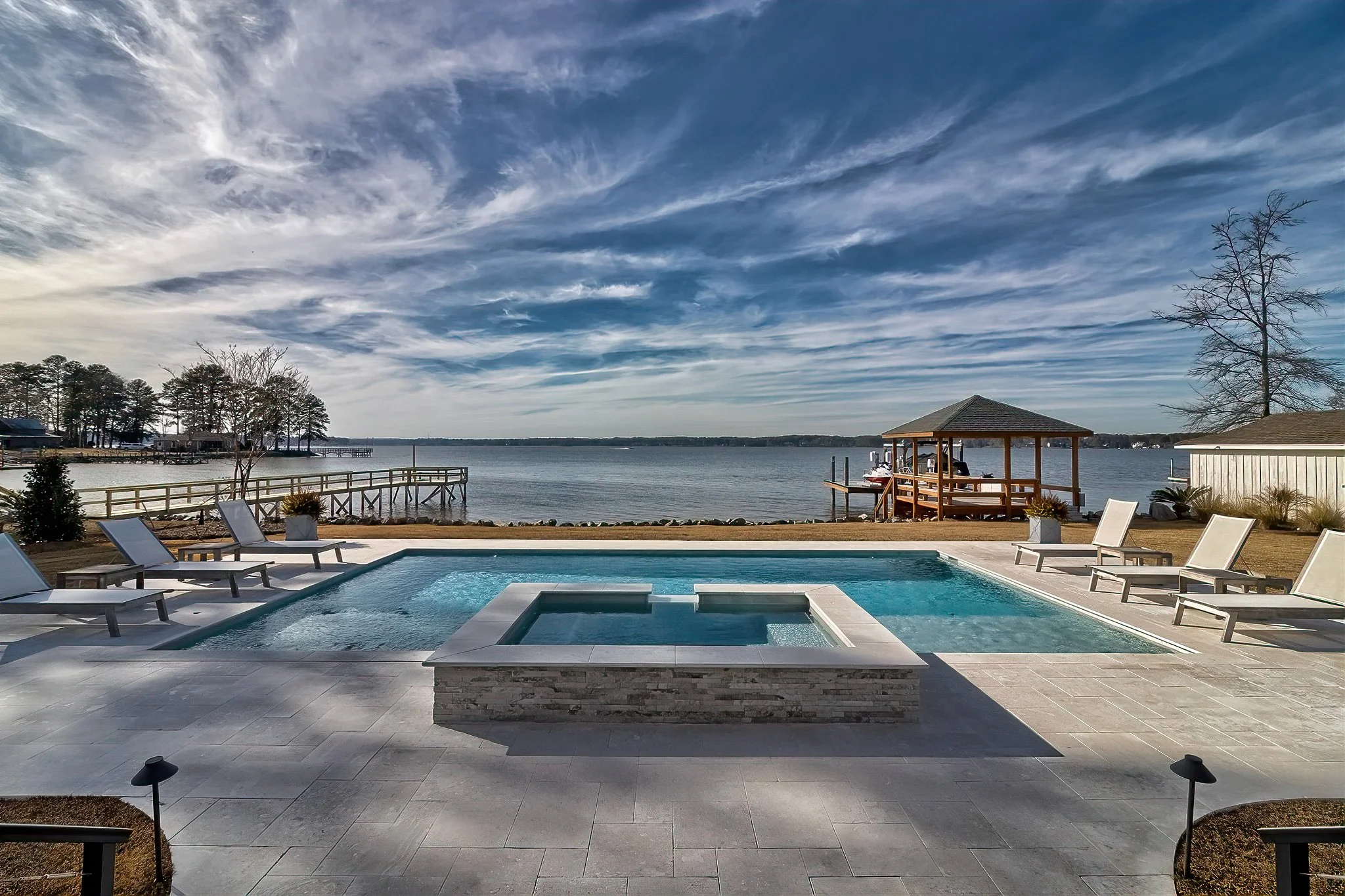
Lake Murray is one of the Southeast's most compelling places to own waterfront real estate, and that reputation has only grown in 2026. The lake spans roughly 50,000 acres, a figure widely cited by regional tourism and real estate sources, in the heart of the South Carolina Midlands, offering waterfront communities that range from family lake houses to luxury estates. If you're shopping for lake murray waterfront properties, this guide covers what to expect in 2026: what they cost, what to verify before you make an offer, and how to find the right home, including the ones that never show up on a public search.
Buying here is a fundamentally different process than buying a standard residential property. Post-closing disputes on Lake Murray frequently involve unpermitted docks or undisclosed shoreline issues, and buyers who run into trouble are almost always the ones who treated the process like a routine residential transaction.
Lake Murray waterfront properties come with a specific set of due diligence requirements that most generic buyer's guides skip entirely. The short version: dock permits issued by Dominion Energy, seasonal water level fluctuations that affect usable depth, and shoreline conditions that signal future costs all require your attention before you make an offer. So do HOA covenants that restrict how you use the water and flood insurance considerations that catch even experienced buyers off guard. Buying well on Lake Murray comes down to knowing the lake, understanding the regulations, and working with someone who has access to inventory that doesn't always make it to the open market.
What Lake Murray Waterfront Properties Actually Cost in 2026
Price ranges across Chapin, Lexington, and Gilbert
The Lake Murray waterfront market carries a current median listing price of around $800,000, with approximately 126 to 177 active lakefront listings available at a given time. That range is wide, and the number shifts depending on how you define "waterfront", whether that includes lake-access communities with shared docks or only properties with direct, private shoreline frontage.
Chapin waterfront homes carry a median somewhere between $562,000 and $825,000, depending on the data source and whether you're looking at list price or closed sales. Lexington-side deep-water properties are a different market entirely, with medians approaching $1.18 million for premium waterfront homes. Gilbert-area lakefront homes generally fall between those two price points and tend to attract buyers looking for strong value on that side of the lake, though specific median figures for Gilbert waterfront aren't always cleanly separated in public data. Understanding why two homes priced $400,000 apart can feel similar on paper requires looking past the price tag to what the shoreline actually delivers.
How dock quality, water depth, and frontage drive price differences
Two lake murray waterfront properties in the same neighborhood can sit $200,000 apart in price. The gap almost always traces back to dock condition and permit status, usable water depth at the dock, and the width of the lot's water frontage. These aren't cosmetic differences. They determine what you can actually do with the property every time you want to get on the water.
Premium deep-water sales on Lake Murray regularly close above $300 to $400 per square foot, and some top-tier transactions push well above that. Lake-access or shared-access properties trade at a meaningful discount by comparison. Lot frontage is one of the most underappreciated pricing levers on the lake. The difference between a 107-foot shoreline and a 909-foot shoreline is not just aesthetic; it shapes dock placement options, privacy, view corridors, and long-term resale value in ways that buyers fully appreciate only after they've owned on the water.
Dock Regulations: What Every Buyer Needs to Verify Before Closing
Why Dominion Energy controls more than most buyers expect
Dominion Energy owns and manages the Lake Murray reservoir, which makes them the primary permitting authority for any dock, boat lift, floating structure, or shoreline modification on the lake. This is the single most important thing for buyers relocating from other states to understand: the authority here is not your county building department. Dominion Energy's approval comes first, and no dock work of any kind can proceed without it, regardless of what a county permit says.
When you're buying a property with an existing dock, your job during due diligence is to confirm that the dock carries a valid, transferable Dominion permit. If that documentation doesn't exist or can't be produced, you have a problem worth resolving before you reach the closing table.
The permit requirements and size limits you need to know
For a standard residential dock on Lake Murray, Dominion Energy requires a minimum lot width of 100 feet along the 360-foot contour line. Slip docks require at least 200 feet. Private docks are capped at 750 square feet and 75 feet in length, must stay at least 15 feet from adjacent property iron markers, and generally only one dock structure is permitted per parcel.
The standard residential dock permit fee is $150 as of 2026, but that number doesn't reflect total cost. If the dock includes electrical service, stairs, or retaining wall components, separate county permits will likely be required. Boat lifts must also be permitted individually, and floating docks are required to use encapsulated flotation. New docks are inspected by Dominion's Lake Management team before a permit number is issued and the structure is officially approved. (Consult Dominion Energy's Lake Management guidance directly to verify current requirements and fees, as these details can change.)
What an unpermitted dock means for your transaction
An unpermitted or non-compliant dock is more than a paperwork issue. It can affect the appraisal, complicate or derail mortgage approval, and create direct problems with insurability. Lenders and insurers want proof that every structure on the property is compliant, and a dock without documentation puts that proof out of reach.
Request permit documentation during the due diligence period, not after an offer is signed and closing is imminent. The Patrick O'Connor Team at Coldwell Banker Realty walks waterfront buyers through a dock-specific due diligence checklist before any offer is finalized, because finding a compliance issue before you're under contract is a far better position than finding it three days before closing.
Water Depth, Seasonal Drawdown, and the Shoreline Details That Matter Most
Why water depth at the dock changes everything
Lake Murray undergoes a seasonal water level drawdown each year, typically beginning in October and reaching its winter target of approximately 350 to 354 feet above sea level by mid-December. Summer operating levels run around 357 to 358 feet, meaning a dock that sits in 10 feet of usable water in July may be left with only 2 to 6 feet by November. A boat stranded on a sandbar each winter isn't a hypothetical risk; it's a real consequence of buying without verifying depth across multiple lake stages.
Deep-water properties command a premium on Lake Murray for exactly this reason. When you're touring homes during summer, ask specifically for water depth readings taken during low-water season. That single data point separates a genuinely deep-water property from one that looks great in listing photos but creates operational problems every fall.
Seawalls, riprap, and the erosion conversation buyers avoid
Shoreline stabilization is a significant cost center that doesn't appear anywhere on a listing sheet. A failing seawall or an actively eroding bank signals future repair expenses that can run into the tens of thousands of dollars, and the problem can affect both property value and the ability to insure certain structures on the lot. This is one of the most common surprises waterfront buyers encounter after closing.
Walk the entire shoreline during any serious showing. Look for signs of undermining behind a wall, visible soil loss, or riprap that has shifted or settled out of position. Any seawall or riprap repair or new installation on Lake Murray also requires Dominion Energy's approval before work begins, which adds time and permitting steps to the remediation process. Knowing what you're buying before you close beats discovering it during your first winter at the lake.
HOA Rules, Flood Insurance, and the Costs Buyers Underestimate
Waterfront HOA restrictions that can limit how you use the lake
Many Lake Murray waterfront neighborhoods carry HOA covenants that restrict dock modifications, boathouse additions, short-term rentals, and even the type or number of watercraft allowed on the property. These restrictions are separate from Dominion Energy's permitting rules and can be more limiting. A project Dominion approves can still be blocked by a neighborhood's governing documents if the CC&Rs prohibit it.
Review HOA documents specifically for waterfront use provisions, not just the standard rules about landscaping or exterior paint colors. Look for language around ARC approval requirements, dock size and material limits, covered slip restrictions, and short-term rental prohibitions. Some of the lake's most sought-after communities have restrictive covenants that protect neighborhood character and quiet enjoyment; others carry minimal restrictions. Knowing which type you're buying into before you commit, and what that means for how you want to use the lake, is an essential part of the process.
Flood insurance gaps that catch lakefront buyers off guard
Standard homeowners insurance does not cover flood damage from rising water. If a property sits in a FEMA-designated Special Flood Hazard Area, specifically zones beginning with A or V, such as AE, AO, AH, or VE, most federally related or backed lenders will require a separate flood insurance policy as a condition of the loan. For lake murray waterfront properties on low-lying shoreline areas or near creeks, this is a real possibility worth checking early in your search.
Even outside a mandatory flood zone, lakefront homes carry water-related risks that standard policies exclude. Shoreline structures such as docks, seawalls, and boat lifts often have separate coverage limits or require specific endorsements to be included. Permit compliance ties directly to insurability: unpermitted structures can void claims or create coverage gaps you won't discover until you need to file one. Request proof of permit compliance for any dock or shoreline structure as a standard part of your due diligence.
Budgeting for the real cost of waterfront ownership
Beyond the purchase price, waterfront buyers should plan for several recurring and occasional expenses: dock maintenance and periodic repair, shoreline stabilization, flood insurance premiums if required, HOA fees that tend to run higher in lake communities, and the occasional Dominion Energy permitting process whenever work on the water is needed.
A realistic annual cost of waterfront ownership typically runs several thousand dollars more than a comparable non-waterfront home. That gap should factor into your overall buying decision. The buyers who feel most satisfied with their lake home purchases are the ones who understood that cost structure before they made an offer, not after they'd lived through the first full year of ownership.
Finding the Right Lake Murray Waterfront Property, Including What Never Hits the MLS
Why a standard property search misses the best waterfront deals
Lake Murray waterfront homes for sale in competitive segments move quickly, and some of the most desirable lakefront properties are sold through agent relationships before they ever appear on public search platforms. Buyers who rely entirely on Zillow or generic MLS searches often find themselves competing for properties that were already shown to serious buyers weeks earlier through private channels.
The best waterfront purchases on Lake Murray tend to come from agents with genuine lake community relationships, not just shared access to the same listing database every buyer can pull up on their phone. That's especially true for buyers relocating from out of state, where you can't be on the ground consistently to monitor new inventory as it comes available. If the agent you're working with only knows what's already online, you're seeing the same properties as everyone else.
How The Patrick O'Connor Team supports waterfront buyers from search to close
The Patrick O'Connor Team at Coldwell Banker Realty brings more than 12 years of Lake Murray waterfront experience and a track record of helping families throughout the Greater Columbia area find the right home on the lake. That background translates directly into the community relationships and market knowledge that shape what a buyer can realistically access, including homes that aren't publicly listed yet.
The team works with buyers across Chapin, Lexington, Gilbert, Prosperity, and communities along the full shoreline, combining active MLS coverage with the kind of local network that surfaces off-market opportunities before they're widely known. Their waterfront buyer process includes dock due diligence, water depth verification, HOA document review, and neighborhood-level pricing analysis as core parts of every transaction, not optional extras. That level of preparation is the difference between closing on the right property and discovering problems after the fact.
The Clearest Path Forward on Lake Murray
Buying a home on Lake Murray is one of the most rewarding real estate decisions you can make in the South Carolina Midlands. The lake is genuinely special, and the communities around it offer a lifestyle that's hard to replicate. But the process has layers that standard home purchases don't. Price ranges are wide and driven by specific waterfront attributes that require an informed eye. Dock permits and water depth need verification before any offer is finalized. HOA rules and flood insurance deserve their own conversation during due diligence.
The buyers who navigate this process well don't do it alone. The right agent brings local knowledge, permit fluency, shoreline expertise, and access to inventory that never reaches public search, and applies all of it at every step of the transaction. Without those things, you're working with incomplete information in a market where the details define the outcome.
Ready to start your search for lake murray waterfront properties? Connect with The Patrick O'Connor Team at Coldwell Banker Realty for access to both listed and off-market Lake Murray lakefront homes for sale, backed by a team with deep roots in the communities around the lake. Reach out directly to schedule a consultation and get a clear picture of what's available, what it's worth, and how to move forward.
Ready to buy or sell? Call The Patrick O'Connor Team at 803-243-0224.
Frequently asked questions
What do Lake Murray waterfront properties cost in 2026?
The waterfront market carried a median listing price around $800,000, with about 126 to 177 active lakefront listings. Chapin waterfront medians ran about $562,000 to $825,000. Lexington-side deep-water homes approached $1.18 million. Two homes in the same neighborhood can sit $200,000 apart based on dock, depth, and frontage.
Who permits docks on Lake Murray, and what are the size limits?
Dominion Energy owns the reservoir and must approve docks, lifts, and shoreline work. A standard residential dock needs at least 100 feet of lot width along the 360-foot contour; slip docks need 200 feet. Private docks are capped at 750 square feet and 75 feet in length, with a $150 standard permit fee as of 2026.
How much does winter drawdown change water depth?
Drawdown typically starts in October and reaches a winter target of about 350 to 354 feet above sea level by mid-December. Summer operating levels run around 357 to 358 feet, so a dock with 10 feet of water in July may have only 2 to 6 feet by November. Call Patrick O’Connor at 803-243-0224 before you offer.